
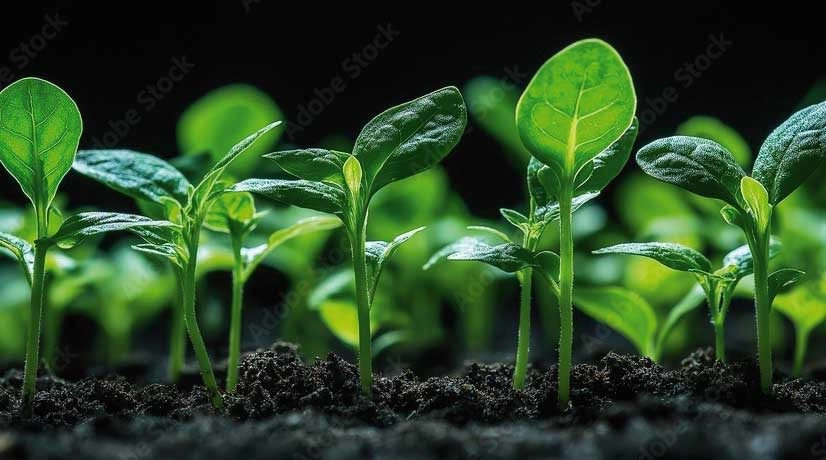
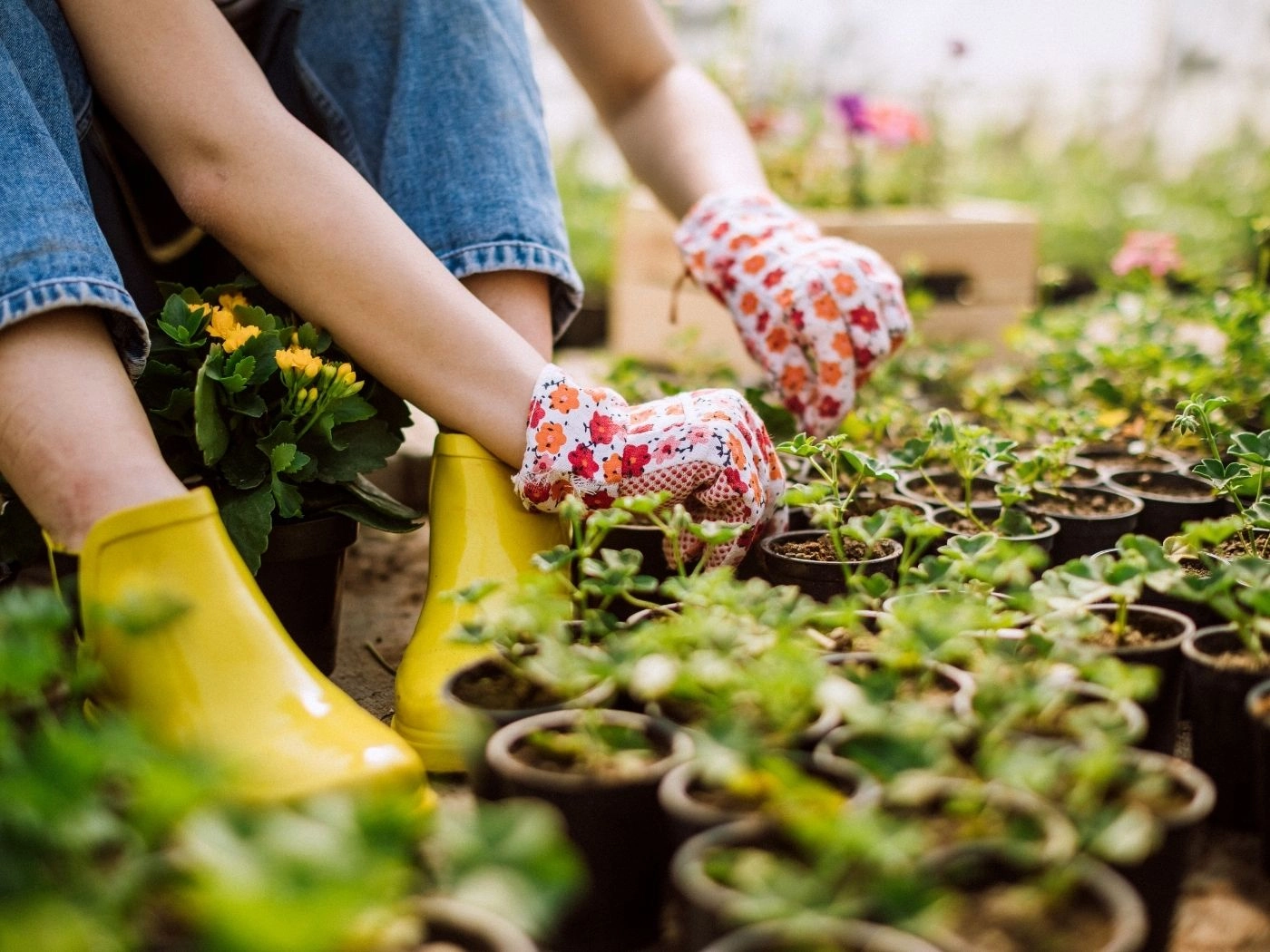
Most growers know plants need light and water. But knowing the list is different from understanding the science behind it. That gap is where crops underperform and gardens disappoint.
Introduction
Plant growth is not a mystery, but it is more precise than most people realize. Every input, from light to nutrients to root depth, triggers a chain of biological responses that either supports or limits what a plant can produce.
The science of growing matters because the stakes are real. According to the FAO, plants provide approximately 80% of human calories globally. Getting plant biology right is not just a gardening preference. It is a food security issue.
For professional growers and horticulturists, understanding what plants need and why gives every growing decision a stronger foundation. The right growing media, the right nutrients, the right root environment: these are not guesses. They are science.
The 7 Things Every Plant Needs to Grow
Every plant needs seven things to grow: light, water, air, nutrients, the right temperature, adequate space and suitable growing media. Miss any one of them and growth slows or stops. Understanding each requirement helps growers make smarter decisions about growing media, irrigation and nutrient programs.
Sunlight and Air: The Energy Inputs
Light drives photosynthesis, the process that converts CO2 and water into sugars. Without adequate light spectrum and intensity, plants cannot produce the energy needed for cell division or stem elongation. Air supplies both CO2 for photosynthesis and O2 for root respiration.
According to PMC/NIH, 2025 controlled-environment research continues to prioritize light-spectrum management and precision climate control as primary levers for optimizing these two inputs.
Water and Soil: The Delivery System
Water carries dissolved nutrients from the growing media into root cells. Without it, nutrient uptake stops regardless of how well-amended the substrate is. Soil structure, or in professional horticulture, the growing media blend, determines how well water moves, drains and holds near roots.
A 2024 global analysis found roughly 20% of agricultural soils face severe potassium deficiency, with South-East Asia at 44% and Latin America at 39%, directly reducing plant growth across those regions.
The remaining requirements complete the picture:
- Temperature: Controls enzyme activity and metabolic rate in plant cells
- Nutrients: Nitrogen, phosphorus and potassium drive the primary growth processes
- Room to grow: Adequate spacing allows root expansion and canopy development
- Time: Each species has a biological timeline that cannot be compressed beyond certain limits
How Plants Turn Inputs Into Growth
Plants turn inputs into growth by running them through three core biological processes: photosynthesis, respiration and transpiration. These processes convert raw materials into usable energy and structure. Inputs do not automatically become growth. Each process depends on the others, and a disruption to any one limits what the remaining two can accomplish.
Photosynthesis is the engine. A 2025 review found that engineering photosynthetic pathways has demonstrated the potential to increase crop yields by over 40% under controlled and field conditions. That number reflects how central this single process is to everything a plant produces.
How Stems Grow Taller
Stem elongation happens at specialized zones called meristems, where cells divide rapidly and then expand. Plant hormones, particularly auxin and gibberellin, regulate how fast and how far this expansion goes. A 2025 discovery at Purdue University identified how a specialized structure inside plant cells helps regulate photosynthesis, opening new pathways for understanding the efficiency of the entire input-to-growth conversion.
For professional growers, this science underlies decisions about light intensity, temperature management and growth regulator applications.
Why Plant Growth Matters Beyond the Garden
Plant growth matters beyond the garden because it underpins global food supply, soil health and commercial horticulture markets worth hundreds of billions of dollars. The science behind how plants grow reaches far beyond individual gardens or greenhouses, shaping decisions at every scale of production.
“There is no food security without plant health.” – FAO
The scale of what is at stake shapes how seriously professional growers and horticulturists approach every production decision.
Key reasons plant growth science matters at a systems level:
- Food supply: The FAO projects global food production must rise 50% by 2050, with roughly 80% of additional demand needing to come from plant products
- Crop loss: Up to 40% of global crop production is lost each year to pests and diseases
- Market investment: The plant science market was estimated at USD 115 billion in 2025, forecast to reach USD 200 billion by 2033 at an 8.5% CAGR
- Productivity gains: The OECD-FAO 2025-2034 Agricultural Outlook projects global agricultural production will grow 14% over the next decade, primarily through plant-productivity gains rather than land expansion
Plant Growth and Soil Health
Healthy plant growth and healthy substrate are inseparable. Roots deposit organic compounds into the growing media as they grow, feeding microbial communities that in turn break down nutrients into plant-available forms. In professional horticulture, this relationship is why growing media composition matters so much.
A well-structured peat moss-based mix, for example, supports both root development and the microbial activity that keeps nutrients cycling. Growers who treat growing media as a living system, not just a physical anchor, consistently see better plant performance.
How Roots Grow and Why They Drive Everything
Roots are the foundation of plant growth. They anchor the plant, absorb water and nutrients, and signal the shoot system about resource availability. What happens below the surface determines what is possible above it.
A 2025 multi-institution study using the NEON ecological observatory network found that nearly 20% of ecosystems show a bimodal root distribution, with a second peak of roots more than 3 feet underground. That is far deeper than standard models assumed, and it changes how researchers think about water and nutrient uptake.
Root Depth and Nutrient Access
Roots grow deeper when surface resources are limited. This directional growth is regulated by gravity-sensing hormone redistribution, a mechanism confirmed by 2025 astrobiology research. Deeper roots access moisture and nutrients that shallower root systems miss entirely. For professional growers, this means growing media depth and structure directly affect how much of the nutrient program a plant can actually use.
Signs of Poor Root Health
Root problems show up above ground before most growers notice them below. Common indicators include:
- Wilting despite adequate irrigation, which points to blocked uptake rather than water shortage
- Yellowing lower leaves, often a sign of nutrient lockout caused by root damage
- Stunted new growth, reflecting reduced capacity to move water and minerals to the shoot
Mechanical soil resistance above approximately 2 MPa is sufficient to inhibit root emergence and elongation, which is why compacted or poorly structured growing media consistently underperforms. A 2025 field experiment in tobacco found that enhanced root treatment increased root length by 65.6% and root volume by 51.5%, with direct effects on above-ground productivity, according to Frontiers in Plant Science.
Applying Plant Science in Your US Garden
American gardeners are applying plant science at record levels. Total U.S. home gardening market spending reached a record $79.0 billion in 2025, up 13.5% year-over-year, according to the Garden Research National Gardening Survey. That growth reflects a shift from casual planting to science-informed growing.
Practical ways to apply plant science in a US garden:
- Match growing media to crop: Different plants need different drainage, aeration and nutrient-holding capacity. Canadian sphagnum peat moss-based mixes support a wide range of crops and production systems
- Test and amend nutrients: Potassium, nitrogen and phosphorus deficiencies are the most common limiters. Soil or substrate testing removes the guesswork
- Protect root zones: Avoid compaction, maintain adequate media depth and choose containers or beds that allow full root development
- Manage light deliberately:71% of Americans planned to grow food at home in 2025. Matching light exposure to crop requirements is one of the highest-return adjustments a home grower can make
- Follow 2026 trends: Precision gardening, native planting and regenerative soil-first practices are the leading approaches among engaged US gardeners this season
Conclusion
Plant growth follows consistent biological rules. Light, water, nutrients, root health and growing media quality are not independent variables. They interact, and understanding how they interact is what separates growers who get reliable results from those who guess.
The science of growing is accessible to anyone willing to apply it. Whether managing a commercial greenhouse or a backyard vegetable bed, the same principles hold. Better inputs, better media and better root environments produce better plants. That is not a promise. It is biology.
Frequently Asked Questions
How much does quality growing media cost for US home gardeners?
Growing media costs in the United States vary by product type and volume. Retail peat moss-based mixes typically range from $10 to $30 for standard bag sizes, with professional-grade blends priced higher for their consistency and formulation precision.
A 2026 Axiom Gardening Outlook Survey found 42.8% of respondents expect to spend more money on gardening in 2026, reflecting growing willingness to invest in quality inputs, according to Axiom.
What plant growth challenges are most common for US gardeners?
In the United States, the most frequently reported problems are underwatering, mineral deficiency, root rot and dormancy-related stagnation, according to horticultural experts at the Montreal Botanical Garden. Poor growing media selection underlies many of these issues.
A substrate that drains poorly promotes root rot, while one that dries too fast causes moisture stress. Matching media to crop and climate is the most practical first step.
What are the three core biological processes that drive plant growth?
The three core processes are photosynthesis, respiration and transpiration, as documented by NC State Extension. Photosynthesis converts light into sugars. Respiration releases that stored energy for cell growth and division.
Transpiration moves water and dissolved nutrients from roots to leaves. All three must function together for a plant to grow efficiently. Disrupting any one of them limits what the other two can accomplish.
How does growing media compare to garden soil for plant performance?
Professional growing media, such as peat moss and bark-based mixes, is engineered for consistent aeration, drainage and nutrient-holding capacity. Garden soil varies widely in texture, fertility and microbial activity, making performance unpredictable.
The plant biotechnology market reached USD 51.73 billion in 2025, a figure that reflects how seriously commercial horticulture treats substrate science as a driver of plant performance, according to MarketsandMarkets.
How long does it take to see results after improving growing media or nutrients?
Response time depends on crop type, growth stage and the severity of the deficiency being corrected. Most plants show visible improvement in new growth within one to three weeks after a nutrient correction. Root health improvements take longer to appear above ground.
The RHS State of Gardening 2025 Report documented that more than 33 million adults garden at least monthly, suggesting sustained, consistent management rather than single interventions drives the best outcomes.