
Identifying a bog for peat harvesting is a long process—and it involves far more than scavenging around a forest. Several steps need to happen before a potential site is even confirmed.
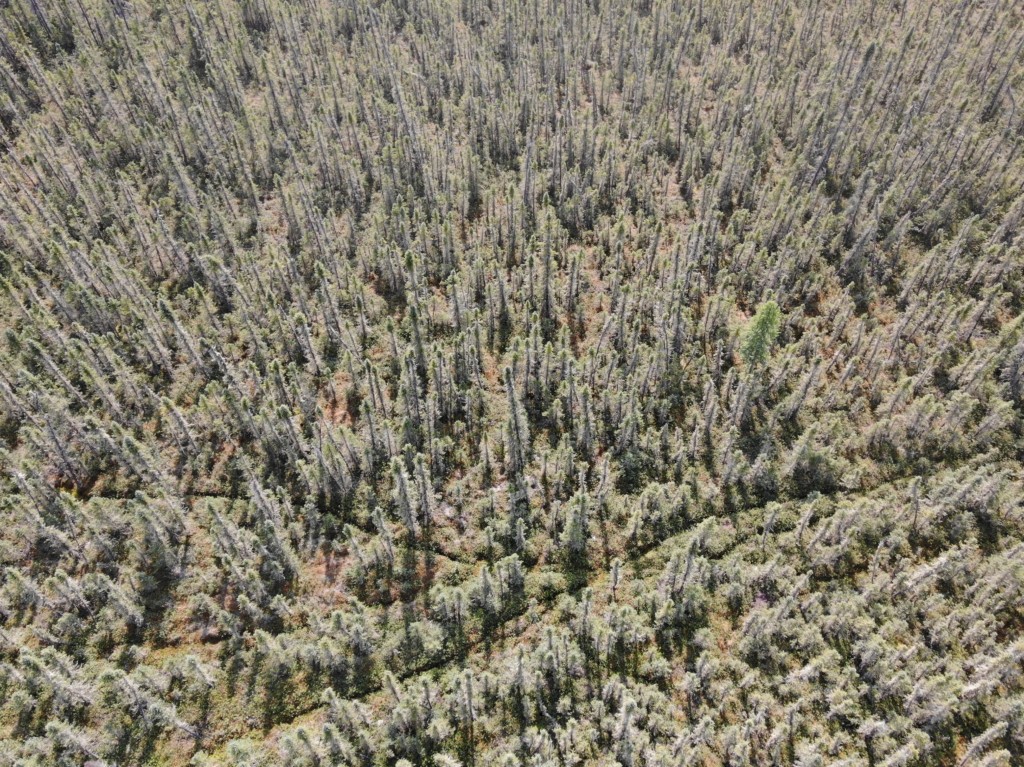
According to two Technical Resource Specialists at Sun Gro, the identification process typically starts with reviewing satellite imagery and maps on a desktop to find areas with suitable peat deposits. Experienced personnel then use these images to identify
changes in landscape, vegetation, tree height, texture, and color that signal a transition from upland forest to a bog.
But spotting a bog isn’t always straightforward. Many areas can get mistaken for bogs, so trained eyes look for specific indicators before deciding on a site.
Once a promising location is flagged, field crews take over, measuring peat depth, testing peat quality, and checking basic water characteristics to determine if the peat is actually worth harvesting.
Desirable Qualities in a Bog
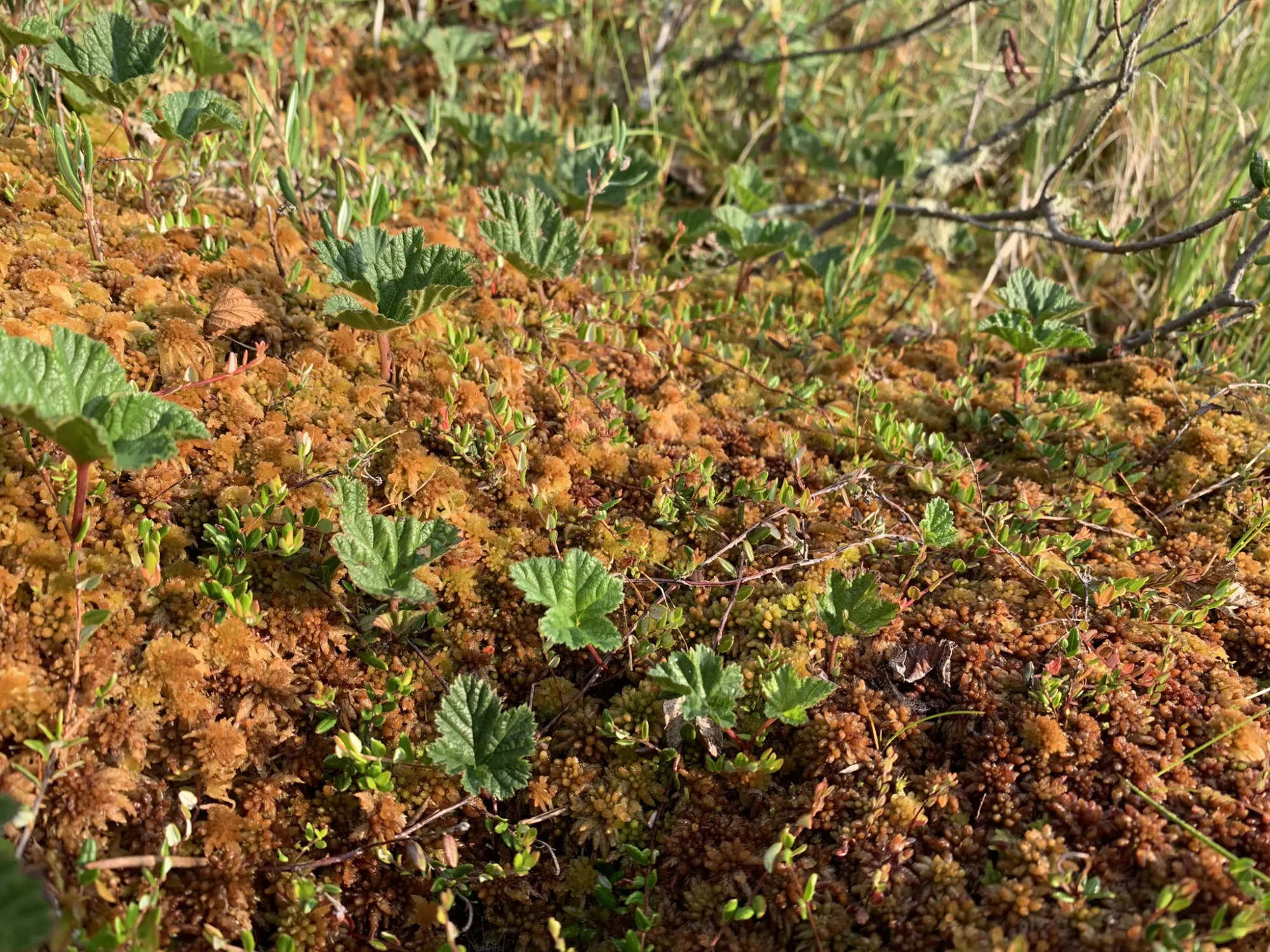
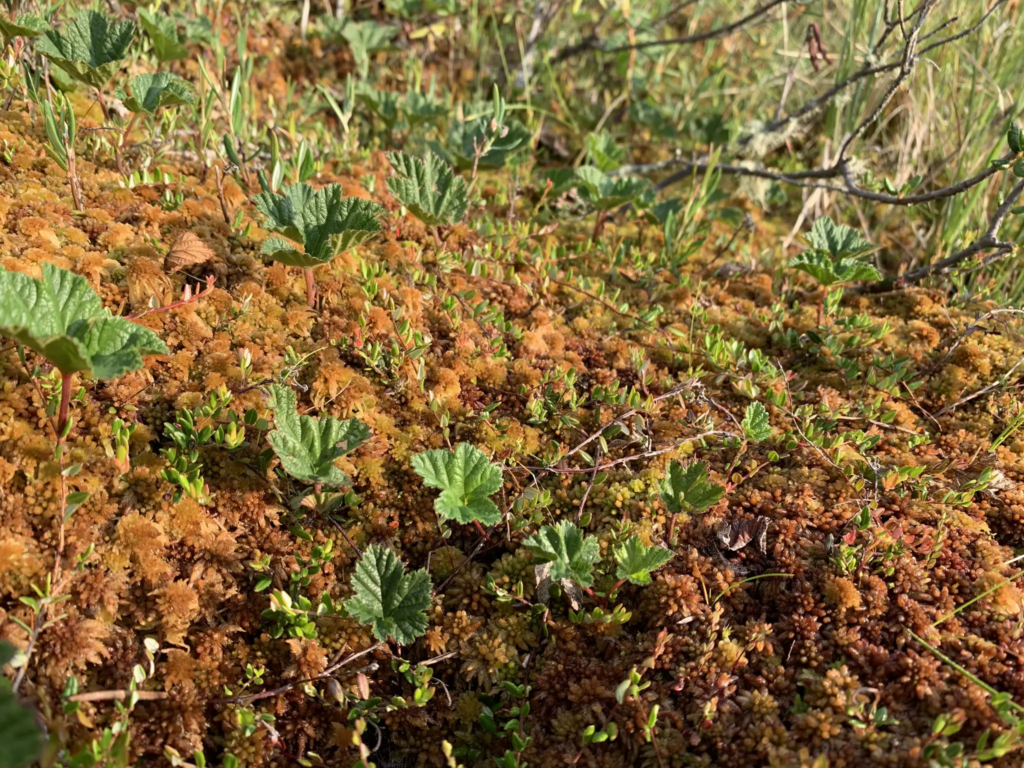
The key indicator that a bog is suited for harvesting is the presence of Sphagnum moss, which is the primary plant that forms peat horticultural products. Beyond having moss on the surface, though, the site needs to be a usable area to support a full harvesting operation.
Location matters, too. Ideally, a bog sits within 5-10 kilometers of an existing road and within 100-200 kilometers of a processing facility, keeping transportation practical. It also needs to meet environmental and regulatory requirements, staying a certain distance from water bodies and avoiding restricted areas like provincial parks or locations with endangered species.
Finally, the bog itself should have an average peat depth of at least two or three meters. Without sufficient depth, even an otherwise ideal site isn’t worth harvesting.
Determining Whether a Bog Is Ideal for Development
It usually takes between two and six months to complete field investigations, analyze the data collected, and review the results.
Several field tests need to be conducted before a bog is harvested. These include:
- Vegetation Assessment: Field crews analyze the vegetation communities growing in the bog and determine where Sphagnum moss is the most dominant.
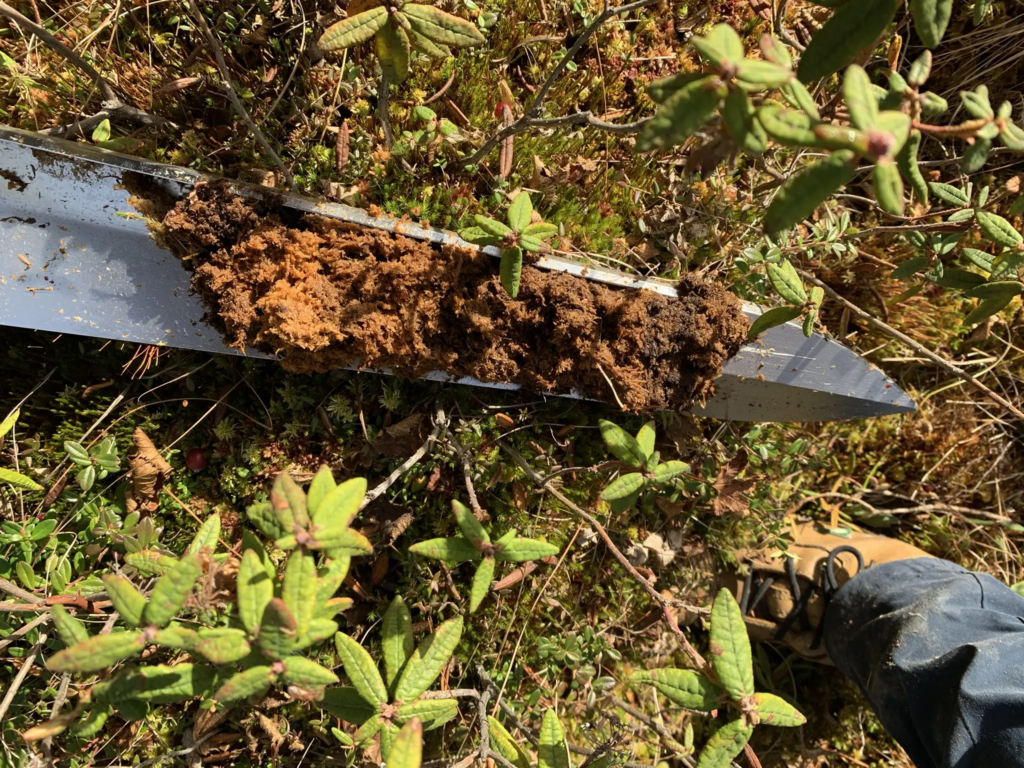
- Peat Depth: Field crews determine how much peat is present by measuring peat depth across the development area.
- Peat Quality Assessment: Field crews determine whether the resource is suitable for the intended use. The industry often uses the Von Post Scale, which describes the decomposition level of peat.
- Chemical Tests: Field crews analyze basic chemical and water quality characteristics such as pH and electrical conductivity (EC).
- Environmental Surveys: Additional environmental surveys are conducted to understand water, wildlife, and other ecological features in the area of interest.
In some cases, government agencies and stakeholders may need to play a role in the site selection process, particularly when environmental surveys indicate there are sensitive habitats or environmental concerns.
Understanding the Government’s Role
Once a potential site has been identified, developers must work through a provincial regulatory process to get approval. Since much of the land suitable for peat harvesting is owned by the Canadian government, this means navigating government applications, environmental studies and reviews, as well as engaging with communities and groups that could be affected.
These conversations don’t always happen in person. They can take the form of letters, emails, video meetings, or phone calls, depending on the project and the people involved.
Making sure all affected parties are informed and heard isn’t just a formality—it’s how potential concerns get caught and addressed before development moves forward.
From Site Selection to Approval
Determining whether a bog contains quality peat is only the first step. Before the peat harvesting starts, the project must go through the applicable provincial regulatory and approval processes.
How long that takes depends on the province, the size and scope of the project, and the regulatory requirements—the process can take anywhere between two and 10 years.
Even after all that time, the project can still be rejected. That could be due to regulatory concerns, but it could simply be that the bog itself doesn’t hold up.
Rejectable Qualities in a Bog
Not every bog is worth harvesting. If a site lacks the right traits or sits in an impractical location, it’s usually best to walk away. Common deal breakers include:
- Insufficient peat depth to support an operation
- No Sphagnum moss present
- Peat quality too low for the intended product
- No nearby road, making access difficult or costly
- Too much upland area or open water, limiting usable bog space
- Too small an area to support bog development
Finding the right bog for peat harvesting is a careful balancing act that weighs biology, geography, logistics, and regulation before harvesting even begins. From the first satellite scan to years of regulatory review, every step confirms one thing: that a site can be developed responsibly and sustainably. Not every bog will make the cut, but the ones that do are chosen with a level of scrutiny that protects both the resource and the land around it.