
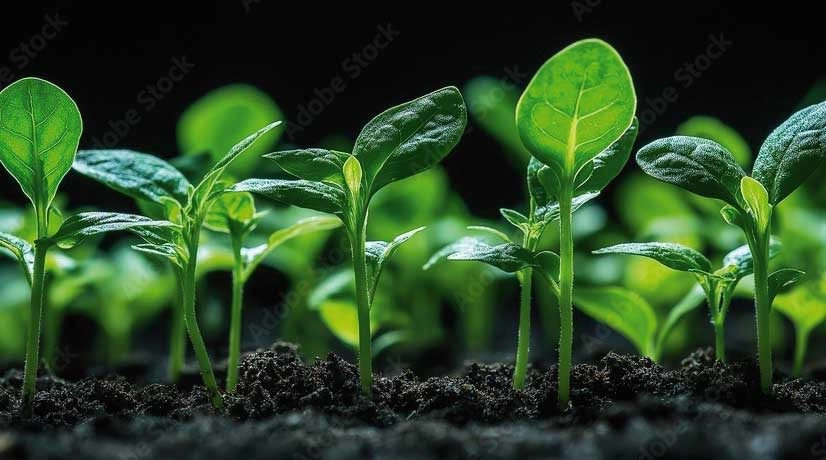
Don’t look now, but gardening’s “second season” is upon us. Generations of gardeners have experienced this fall “season,’ which may be longer or shorter depending on where you live. Generally speaking, it extends from the last week in August through the first frost in autumn. Over the last few decades garden merchandisers have made much of the “second season,” offering an array of plants for gardeners who want to beautify landscapes now and/or get a jump on next spring’s garden.
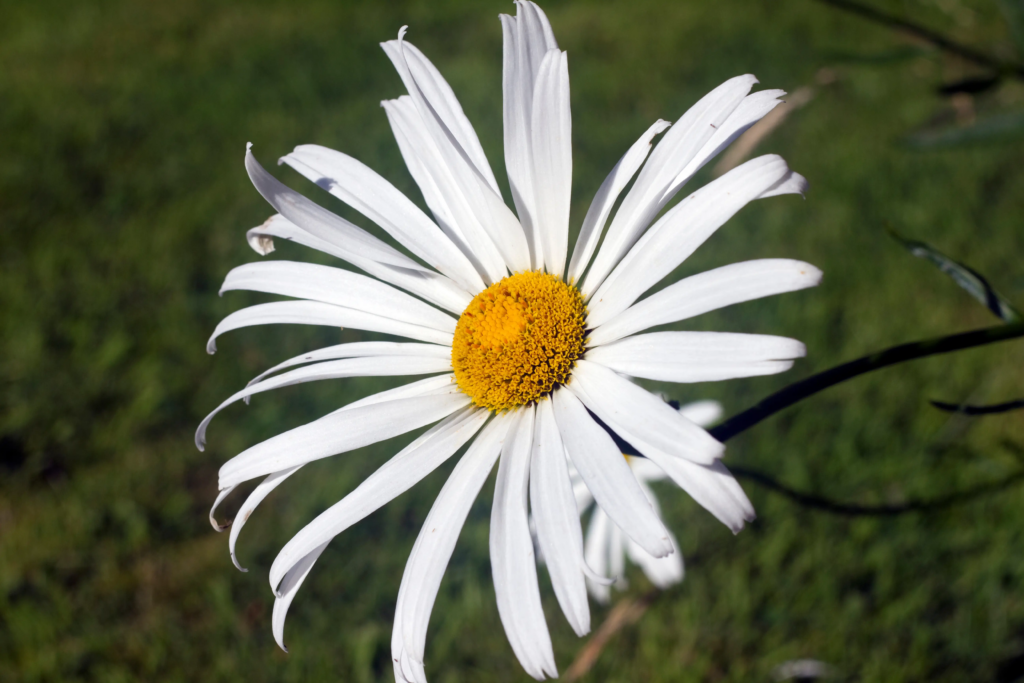
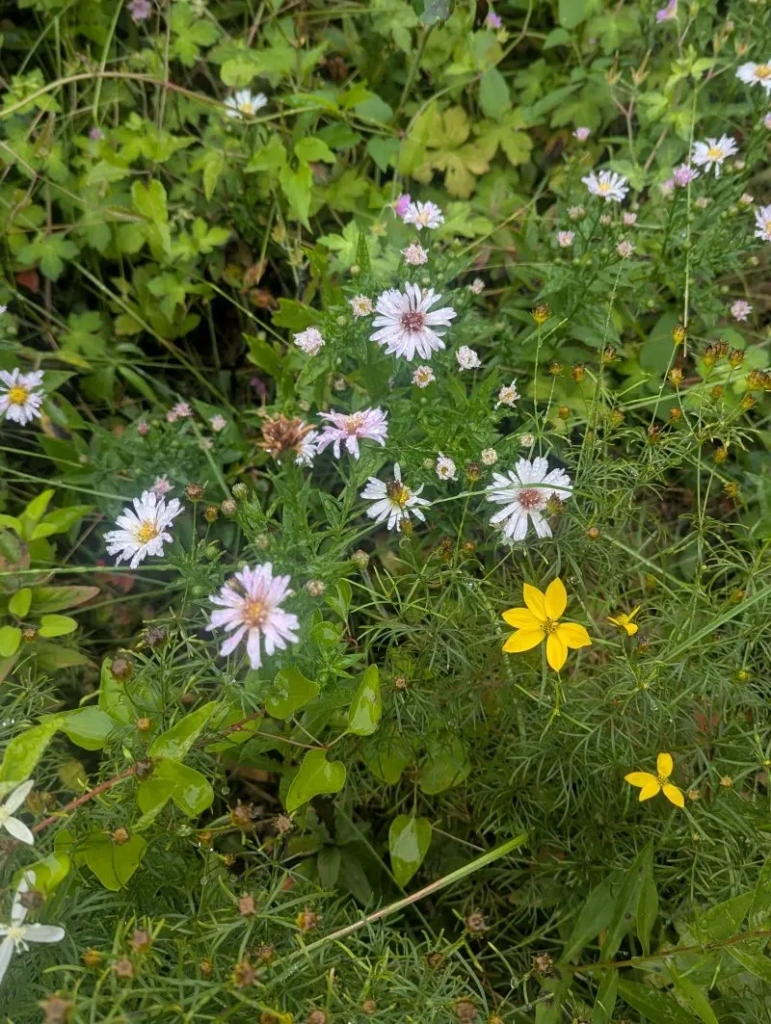
At the start of this new gardening season, the little white wood asters are beginning to show their small daisy faces along the edges of wooded areas. Early goldenrod is appearing on country fields and in town gardens. The larger asters, including the tall New England varieties are waiting in the wings.
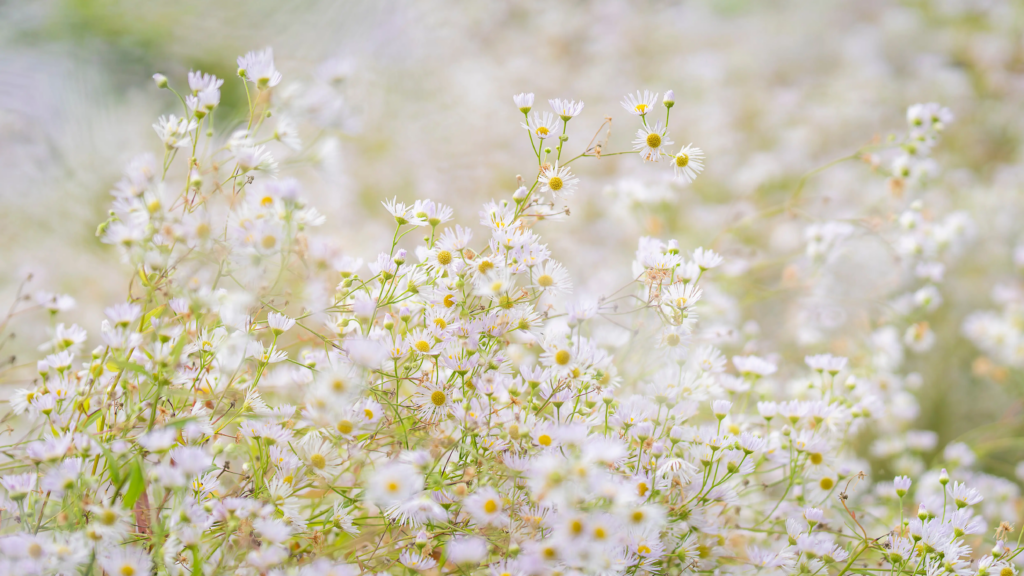
Arriving along with the earliest asters is the lesser known, but equally beautiful false aster or Boltonia asteroids, which is sometimes also known as white chamomile or doll’s daisy. Like the true asters, it is a member of the Compositae or daisy family, and the flowers attest to the relationship. The species features one-inch white daisies, sometimes blushed with pink, with petals arrayed around golden centers. These North American natives can grow up to five or six feet tall and mature clumps may spread two or three feet. Fortunately for those with smaller spaces, a good “Chelsea chop,” or pruning in mid-summer will keep the stalks shorter, produce more branching on the erect stems, and ultimately, promote increased flowering.
In its native range in the eastern United States, boltonia, a clump-forming perennial, generally favors consistently moist or wet spaces, like roadside ditches and marshy environments. If you don’t have any of those in your home garden, don’t worry. While consistent moisture is a good idea, boltonia will actually be better-mannered when it is planted in drier ground and may not even need that “Chelsea chop.”
Plant hybridizers have had a field day with asters of all types, but that is not as true with boltonia. The most commonly sold variety is ‘Snowbank’, which is more compact than the species, growing three to five feet tall and wide without benefit of mid-summer pruning. ‘Pink Beauty’ grows to about the same dimensions as ‘Snowbank’, but sports gray-green flowers and pale pink petals. Shorter still, topping out at about two feet tall is ‘Masbolimket’, which has been sold under the name “Jim Crockett”. Distinguished by dark green leaves, a typical branching growth habit and pale lavender flowers, Jim Crockett was discovered in the late 1990’s when it appeared in a garden that was part of a University of Massachusetts plant breeding program. The new variety was named in honor of James Crockett, whom older gardeners will remember as the host of the PBS program “Victory Garden.” Like “Jim Crockett,” ‘Nana’ is a dwarf boltonia, with the gray-green leaves of ‘Snowbank’ and pink-purple petals surrounding golden centers.
Like many daisies, boltonias appreciate a sunny situation, but don’t mind heavy clay soil. Since they are native to wet spaces, the water retentive qualities of clay are congenial. To keep the moisture in the soil, mulch new plants with a high-quality organic product like Fafard® Premium Natural & Organic Compost, and water regularly to get roots established.
As stars of the early “second season,” boltonias work well in cutting gardens, cottage layouts and habitat gardens. They can also strut their stuff in native plant landscapes. The more compact varieties will succeed in containers. As time goes on, successful plants will form healthy-size clumps and may also multiply by self-seeding. They attract pollinating insects including the last of the season’s butterflies, and will keep well in indoor arrangements.
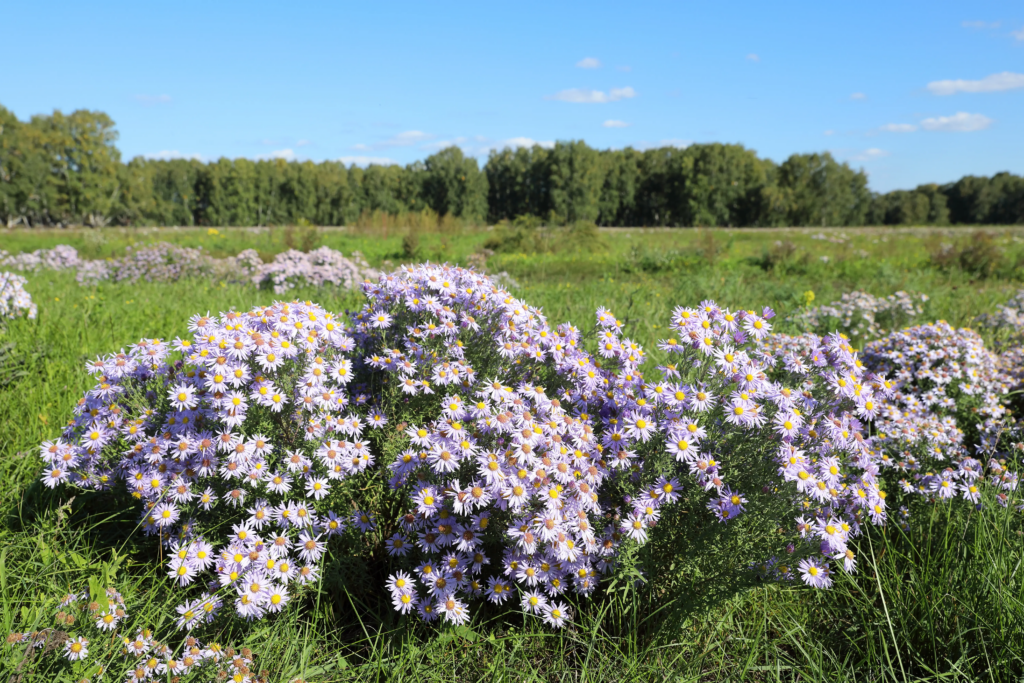
At this time of year, many garden centers carry boltonia—generally the species or the ‘Snowbank’ variety. Other cultivars may be harder to find but are well worth a little internet searching.
Adding boltonia to the usual fall plantings of asters and mums is certain to get the “second season” of to a starry start.

About Elisabeth Ginsburg
Born into a gardening family, Elisabeth Ginsburg grew her first plants as a young child. Her hands-on experiences range from container gardening on a Missouri balcony to mixed borders in the New Jersey suburbs and vacation gardening in Central New York State. She has studied horticulture at the New York Botanical Garden and elsewhere and has also written about gardens, landscape history and ecology for years in traditional and online publications including The New York Times Sunday “Cuttings” column, the Times Regional Weeklies, Horticulture, Garden Design, Flower & Garden, The Christian Science Monitor and many others. Her “Gardener’s Apprentice” weekly column appears in papers belonging to the Worrall chain of suburban northern and central New Jersey weekly newspapers and online at http://www.gardenersapprentice.com. She and her feline “garden supervisors” live in northern New Jersey.