
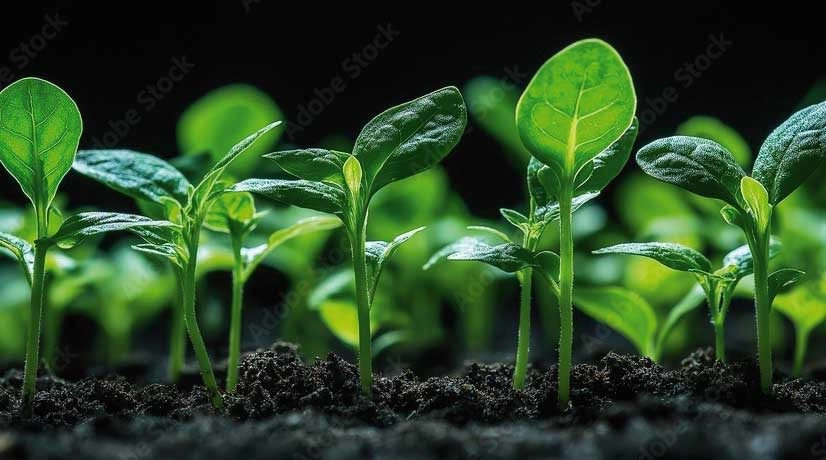
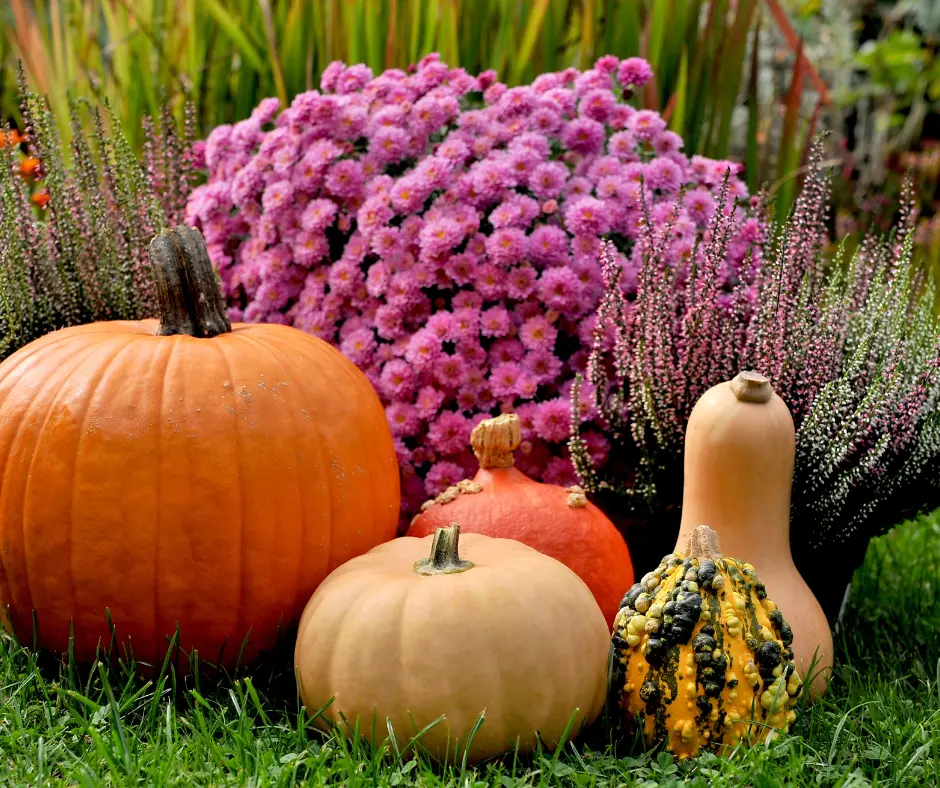
It is hard not to know that the fall season is here. The daylight hour is getting shorter, nights are cooler, days are sunny but not too hot, pumpkins are being harvested, most summer annuals are still blooming, and trees are turning color. What a beautiful time of year it is.
This is a good time to visit an arboretum or just visit different neighborhoods and observe what is turning color. Here are a few suggestions of plants you might see and consider for your own garden.
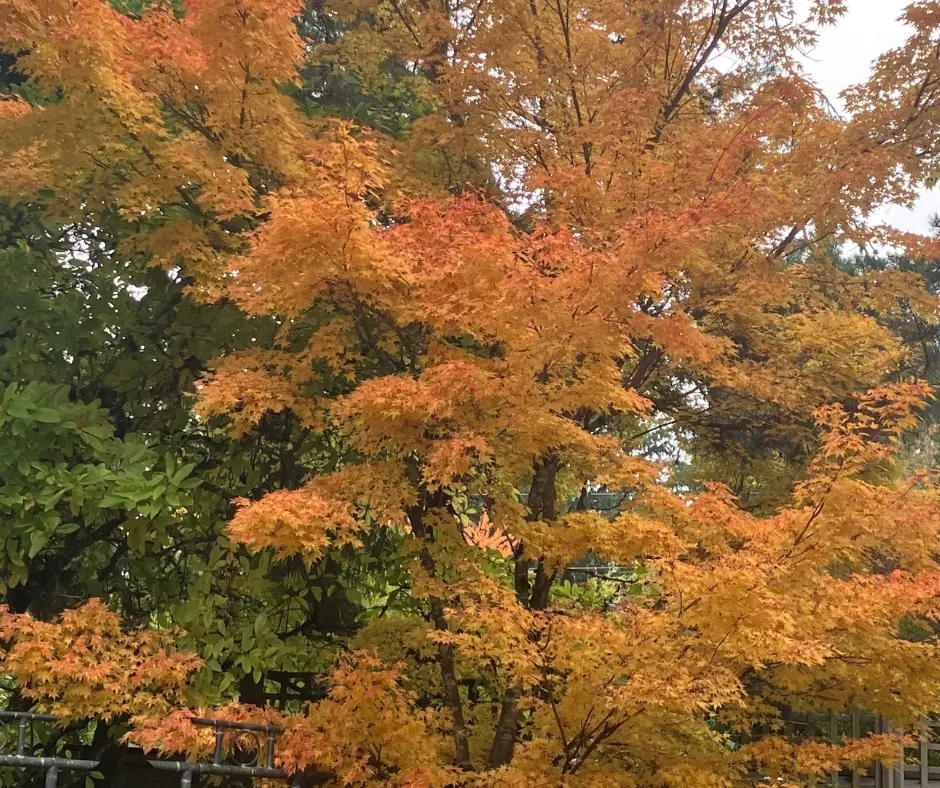
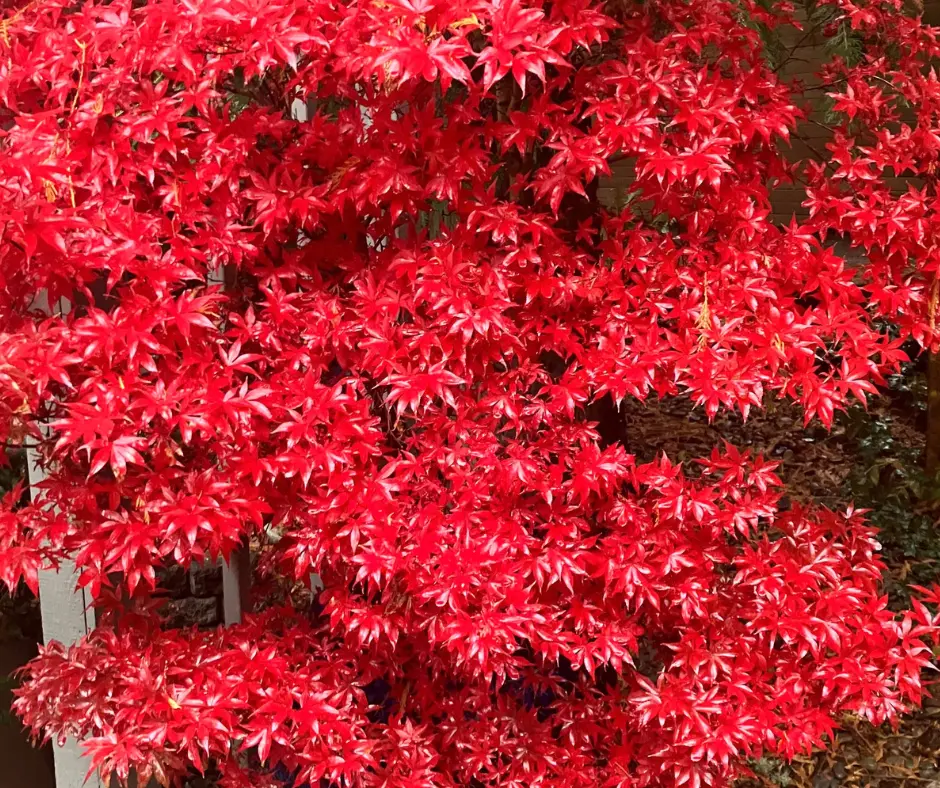
I have a strong attachment to Japanese maples because there is so much diversity in their growth patten and the color they provide. Many will supply early spring color, but I think the fall season is when they perform their best. Two of my favorites that show the diversity in leaf color are Acer palmatum ‘Bloodgood’ and Acer palmatum ‘Sango kaku’. The ‘Bloodgood’ has spectacular red fall color, and the the ‘Sango kaku’ has leaves that turn vivid yellow in the fall.
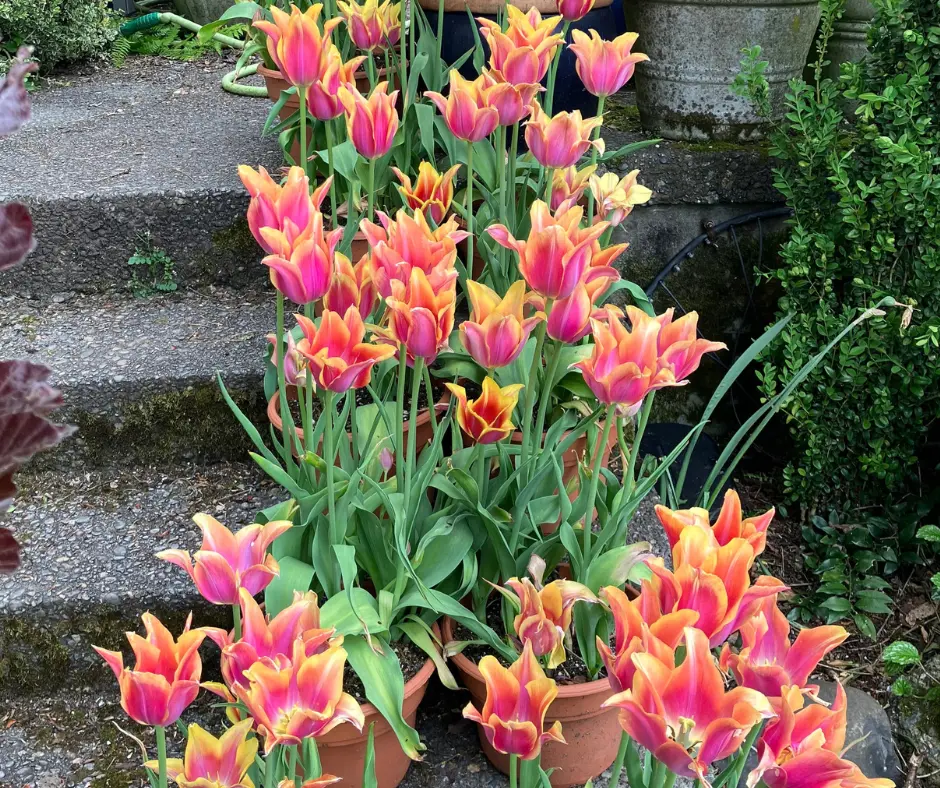
Many things are going on in the garden at this time and one of those is planting fall bulbs for spring flowers. Tulips, hyacinths, daffodils, and crocus are some of the most popular. Tulips especially, have an extremely wide range of color choices as well as shapes and textures of flowers. Tulips can be an excellent choice for a container and can give color for several weeks in the spring. Check the kind of tulip you are buying because there are some that are bred for blooming early spring, others for mid spring, and some for late spring. This is why a garden can have tulips blooming for such a long period of time.
If planting bulbs in a container, Black Gold All Purpose Potting Mix would be an ideal choice. If planting in the ground, work some Black Gold Natural & Organic Earthworm Castings Blend into the planting hole. Planting and adding a soil conditioner at the time of planting is your chance to get this addition to where the roots are going to be growing. After the tulip bulbs have been covered with the planting mix, consider planting pansies. They will probably be in bloom at the time of purchase and should continue blooming throughout the winter months. By planting pansies, your container will have immediate color. Another idea is to plant crocus bulbs around the inside rim of the container and in early spring, they will appear and bloom before the tulips.
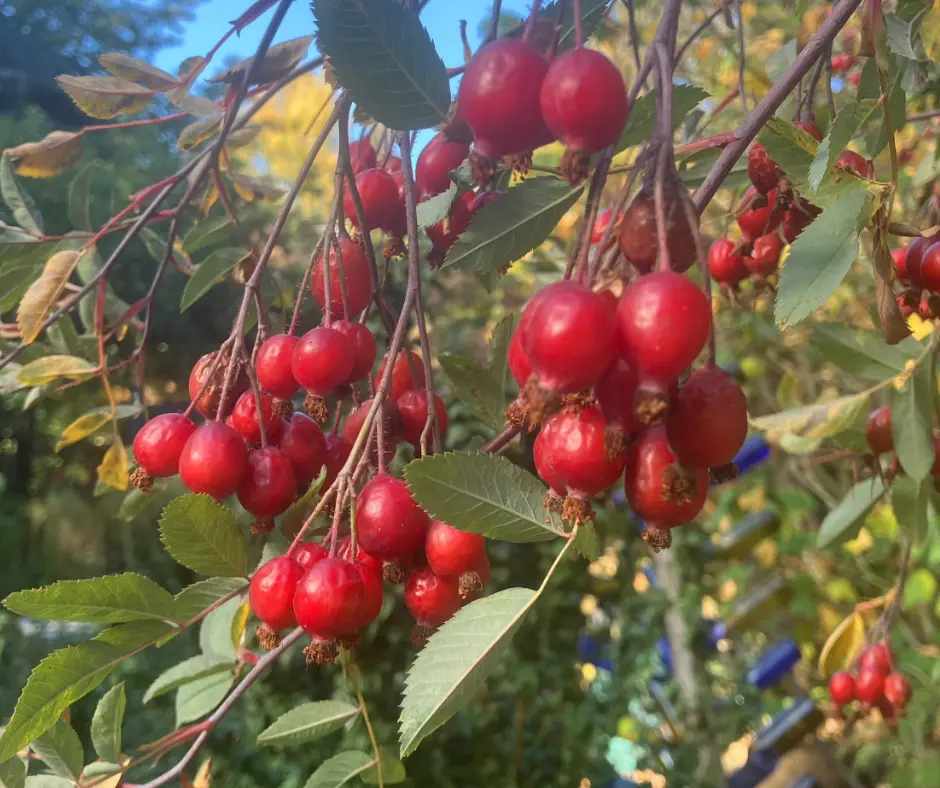
We should not forget those plants that provide some wonderful fall color with their berries. Even some roses can fit into this category by not only blooming in October but have colorful hips. Most modern roses would not be known for their hips but some older and species roses can put on quite a show in the fall with their hips. In my garden, Rosa glauca is doing a spectacular job this year. Clusters of bright red berries are covering the plant.
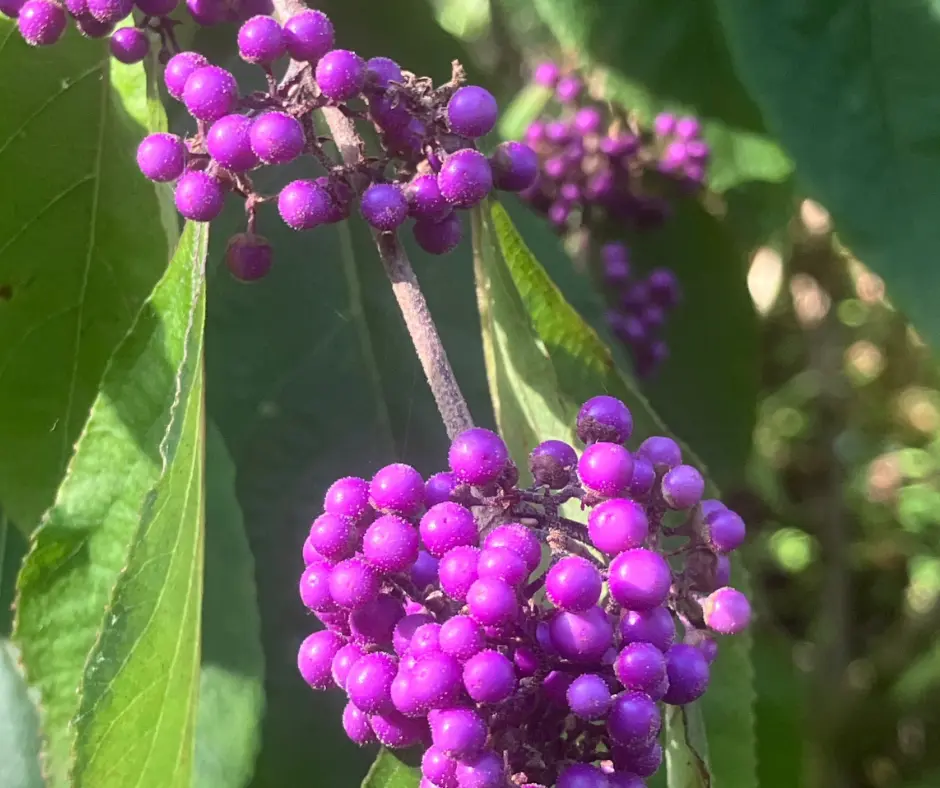
A popular shrub in many northwest gardens is Callicarpa (Beautyberry) which has clusters of purple berries all along the branches at this time of year. Look for the cultivar ‘Profusion’ which is a heavy bearer. Callicarpa will become a large shrub so if plant it in a border garden, place it in the background.
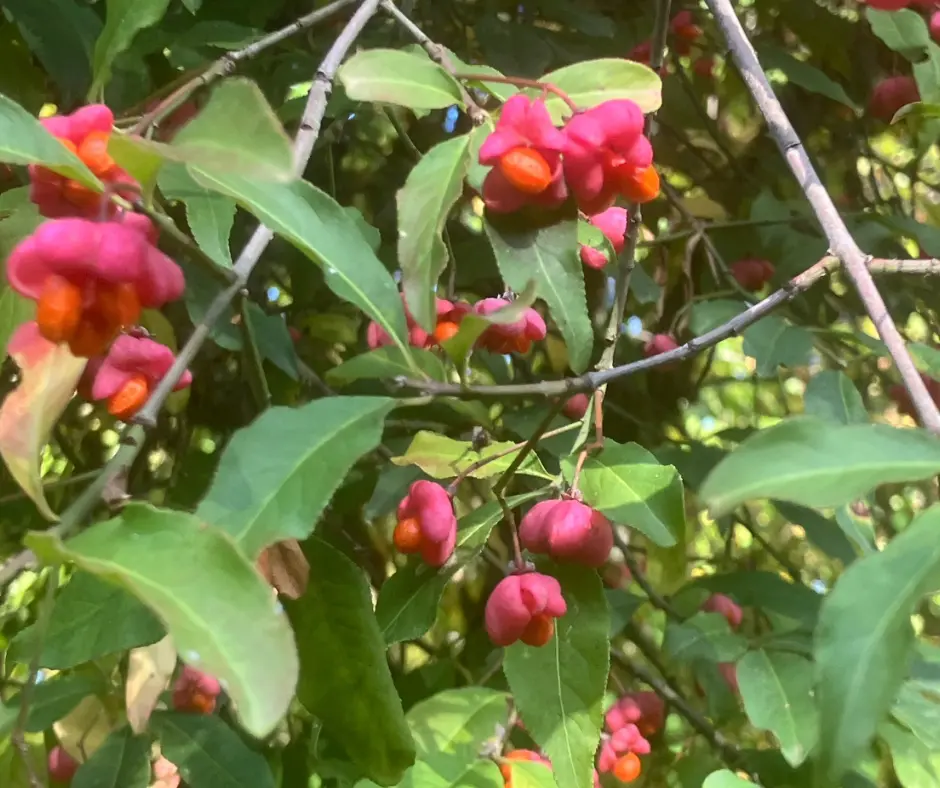
A tree that is not often seen in gardens but has certainly thrived in mine is Euonymus europaeus ‘Aldenhamensis’ (Spindle Tree) is a vigorous easy-to-care for tree. It is profuse with bright pink and orange fruits and later this fall the leaves will provide red fall color.
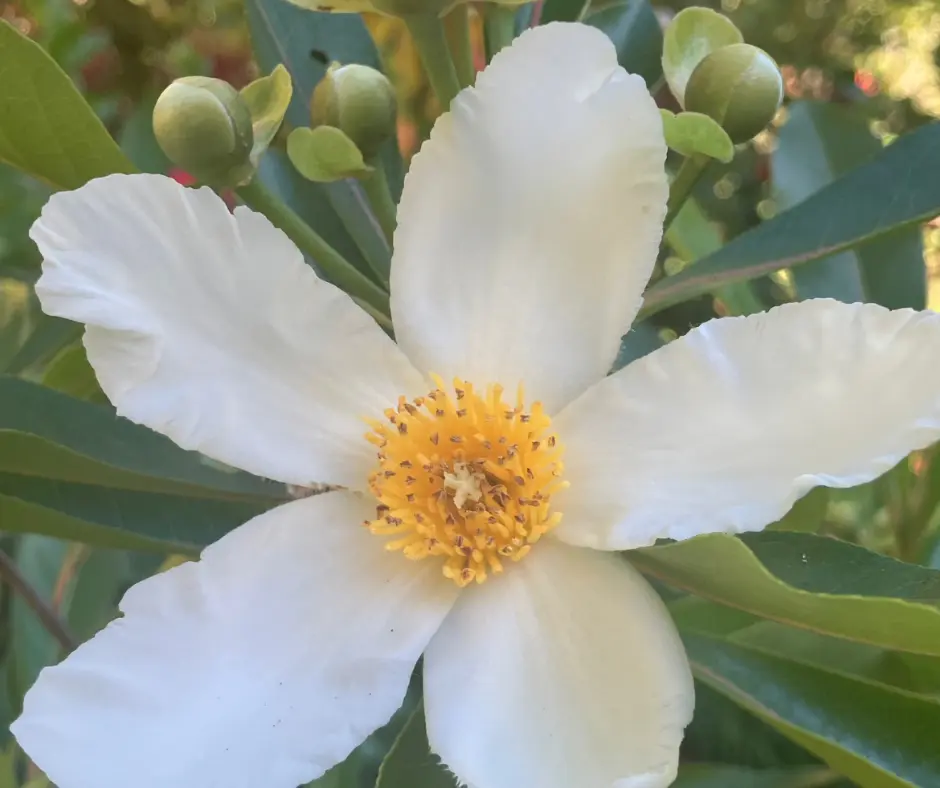
It is often a delight to discover a new plant and especially one that blooms in the fall. On a recent visit to a new to me garden, there was a small tree with white flowers that looked somewhat like a single white camellia. However, I knew it was not a camellia and thought it was a Franklinia, which are not often seen but bloom with white flowers in the fall. Talking with the owner of garden he told me that many visitors think it is a Franklinia but it is Gordlinia lasianthus, which is a cross between a Franklinia and Gordonia. It was developed in 2003 in the Department of Horticulture at North Carolina State University and by taking the best traits from the parent plants, Gordlinia grows more vigorously and has larger flowers than either parent. It is considered a large shrub or small tree and blooms in September. I certainly do not need another tree in my garden but like gardeners say, “there is always room for one more plant!” Yes, I bought one.
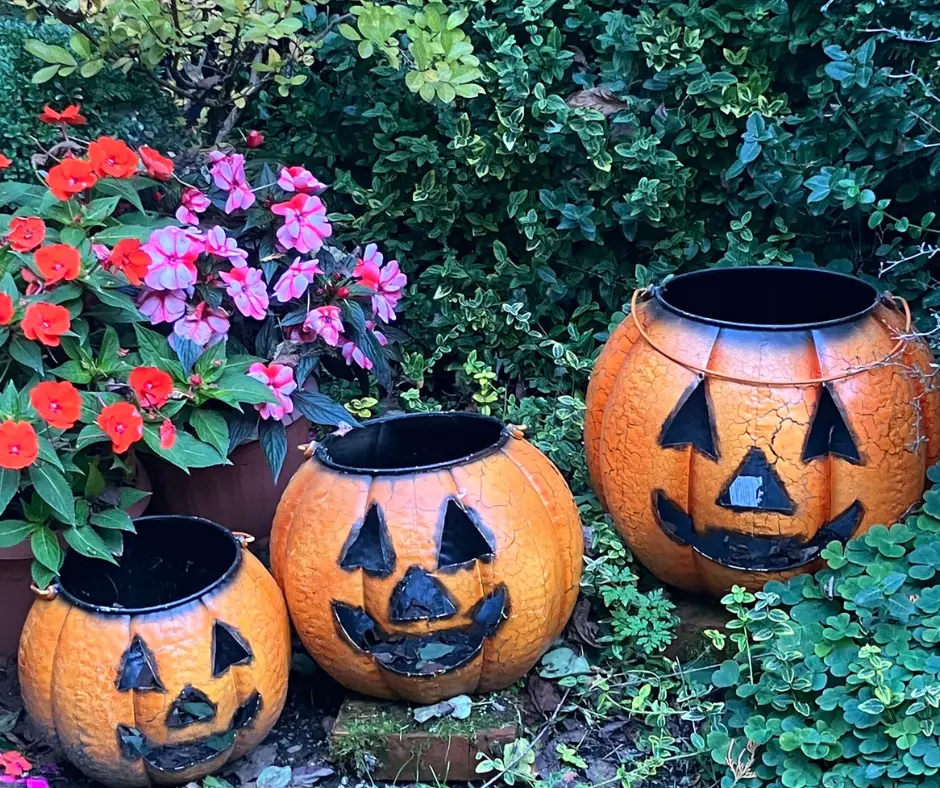
Check out your surrounding area for plants that are providing fall color. The selections are probably far more extensive that you might have expected. Also, this being the month of October, Happy Halloween!

About Mike Darcy
Mike lives and gardens in a suburb of Portland, Oregon where he has resided since 1969. He grew in up Tucson, Arizona where he worked at a small retail nursery during his high school and college years. He received his formal education at the University of Arizona where he was awarded a Bachelor of Science Degree in Horticulture, and though he values his formal education, he values his field-experience more. It is hard to beat the ‘hands on’ experience of actually gardening, visiting gardens, and sharing information with other gardeners. Mike has been involved with gardening communications throughout his adult life. In addition to garden writing, he has done television gardening shows in Portland, and for over 30 years he hosted a Saturday radio talk show in Portland. Now he writes, speaks, gardens and continues to share his love of gardening. To be connected to the gardening industry is a bonus in life for Mike. He has found gardeners to be among the friendliest and most caring, generous people. Consequently, many of his friends he has met through gardening.