
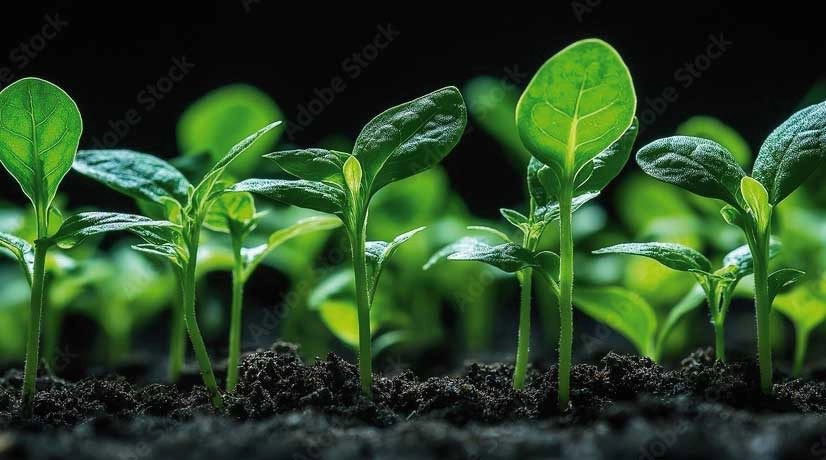

Plants can’t grow without the right nutrients. A single deficiency can cut yields by up to 30%, even when every other input is optimized. Understanding what plants need, and how to supply it consistently, is the foundation of professional horticulture.
Introduction
Essential nutrients plants need for healthy growth fall into a precise, well-defined list. Science has confirmed 17 elements that every plant must have to complete its life cycle. Miss even one, and growth stalls.
For professional growers, this isn’t abstract biology. It’s the difference between a profitable crop and a failed one. Nutrient management directly affects yield, quality and marketability across every growing system.
Getting nutrition right requires more than applying fertilizer. It means understanding how nutrients move through growing media, how plants signal deficiencies and how to build programs that deliver consistent results across seasons and facilities.
What Are Essential Plant Nutrients?
Essential plant nutrients are the 17 chemical elements a plant must have to complete its life cycle. Three of those, carbon, hydrogen and oxygen, come from air and water. The remaining 14 must come from growing media or supplemental fertilization, making them the focus of most crop nutrition decisions.
According to Texas A&M AgriLife Extension, carbon, hydrogen and oxygen together make up 94% or more of plant dry tissue. The other 14 nutrients, though smaller in quantity, are non-negotiable.
The 17 nutrients divide into two functional groups:
- Macronutrients: Required in large amounts, including nitrogen, phosphorus, potassium, calcium, magnesium and sulfur
- Micronutrients: Required in trace amounts, including boron, chlorine, copper, iron, manganese, molybdenum, nickel and zinc
- Non-mineral nutrients: Carbon, hydrogen and oxygen, supplied by air and water
- Deficiency consequence: According to Crop Nutrition, a single deficient nutrient can reduce yields by up to 30%, even when all others are adequate
Primary vs. Secondary Plant Nutrients: All 17 Explained
The 17 essential plant nutrients are divided into three tiers: non-mineral nutrients, primary macronutrients and secondary macronutrients, plus eight micronutrients. Each tier plays a distinct role in plant development, and understanding how they differ helps growers prioritize fertilization strategies and diagnose problems more accurately.
Essential Macronutrients for Plant Growth
Macronutrients divide into primary and secondary groups. The primary trio (nitrogen, phosphorus and potassium) drives the bulk of vegetative and reproductive growth. Plant tissues contain approximately 1.5% nitrogen, 0.2% phosphorus and 1.0% potassium by dry weight, reflecting the enormous uptake demand these nutrients place on growing media.
Secondary macronutrients, calcium, magnesium and sulfur, support structural integrity, enzyme function and protein synthesis. Magnesium is especially critical because it sits at the center of every chlorophyll molecule. Without it, photosynthesis slows and leaves yellow from the inside out.
Essential Micronutrients for Plant Growth
Micronutrients make up less than 0.01% of total plant dry weight, according to Science of Soils. Yet they’re indispensable. Zinc alone serves as a cofactor in over 300 enzymatic reactions.
Among agricultural soils worldwide, NCBI/PMC research shows that nearly 50% are zinc-deficient. Boron, copper, manganese, iron, molybdenum, nickel and chlorine round out the micronutrient list. Each supports specific biochemical processes that no other element can replace.
The Big Three: Why Nitrogen, Phosphorus, and Potassium Lead the List
Nitrogen, phosphorus and potassium lead the list because they drive more crop production decisions than any other nutrients. The global NPK fertilizer market was valued at USD $102.48 billion in 2025, reflecting how central nitrogen, phosphorus and potassium are to commercial growing at every scale.
Nitrogen: The Engine of Vegetative Growth
Nitrogen fuels leaf expansion, stem elongation and chlorophyll production. Research cited by NCBI/PMC found that nitrogen-deficient plants showed the lowest dry matter weight and photosynthetic rates of any nutrient treatment. Crops treated with balanced NPK fertilizer yielded 30% more than untreated controls.
Phosphorus supports root development, flowering and fruit set. Potassium improves drought resistance, disease resistance and overall plant resilience. Together, these three nutrients form the backbone of any professional nutrition program. In U.S. corn production alone, corn accounts for 78% of nitrogen fertilizer, 54% of phosphorus and 53% of potassium used across all of American agriculture, according to Farmdoc Daily.
The Role of Water, Air, and Growing Media in Nutrient Delivery
Water and air are active nutrient delivery systems, not just environmental factors. About 80-90% of a living plant’s fresh weight is water, making hydrogen and oxygen the elements consumed in the greatest absolute quantities. Growing media completes the system by anchoring roots and supplying the remaining 14 essential nutrients.
The Role of Mycorrhizal Fungi in Nutrient Uptake
Mycorrhizal fungi form symbiotic relationships with plant roots, dramatically extending the root’s effective surface area. This network reaches nutrients, especially phosphorus, that roots alone can’t access. In professional growing operations, inoculating growing media with mycorrhizal fungi can improve nutrient uptake efficiency without increasing fertilizer inputs.
Hydroponic and substrate-based growing systems take nutrient delivery a step further. According to MDPI Agronomy, closed-loop hydroponic systems showed 54.3% higher water productivity compared to open systems and reduced fertilizer consumption by 96% over an entire crop cycle. High-quality growing media, including peat moss-based mixes, provide the physical structure and chemistry that make precision nutrient delivery possible.
Spotting Trouble: How to Identify Plant Nutrient Deficiencies
Nutrient deficiencies follow a predictable pattern that experienced growers learn to read quickly. Mobile nutrients like nitrogen, phosphorus, potassium and magnesium show deficiency symptoms in older, lower leaves first. Immobile nutrients like iron, copper, manganese, zinc and boron show symptoms in younger, upper leaves.
This mobility rule, documented by Montana State University Extension, gives growers a reliable diagnostic starting point. Yellowing at the base of the canopy points to mobile nutrient loss. Yellowing at the growing tips signals immobile nutrient shortage.
The stakes are high. According to Zinc Crops / IZA, zinc deficiency can cause yield losses exceeding 40% in affected crops. Losses of up to 30% in cereal grains can occur without any obvious visual symptoms, a condition called “hidden deficiency.” Corrective zinc application has produced yield increases of up to 120% in wheat, 48% in rice and 50% in cotton.
Key deficiency signals to monitor include:
- Interveinal chlorosis on young leaves: Points to iron, manganese or zinc shortage
- Uniform yellowing of older leaves: Suggests nitrogen or magnesium deficiency
- Purple or reddish leaf undersides: Often indicates phosphorus deficiency
- Stunted growing tips or distorted new growth: Frequently linked to boron or calcium shortage
- Pale green or yellow older leaves with green veins: Classic magnesium deficiency pattern
The Dangers of Nutrient Imbalances in Professional Growing Operations
Nutrient imbalances in professional growing operations directly erode profit margins, reduce crop quality and create cascading problems across a production cycle. Direct yield losses from deficiencies range from 10-40% depending on severity and timing, according to Atlas Scientific, making early detection and correction essential for commercial growers.
Early-season deficiencies carry the greatest economic impact because they affect the plant during its most critical development windows. For nitrogen specifically, research shows a 19.3% reduction in grain yield and a 25.6% decrease in grains per spike under nitrogen-deficient conditions, per University of Illinois Extension.
“Globally, soil nutrient deficits cover 59% of harvested area for nitrogen, 85% for phosphorus, and 90% for potassium, with a total potential global production loss of 1,136 teragrams per year.” – UCL News
Potassium depletion is a particular concern. A 2024 UCL study confirmed that more potassium is being removed from agricultural soils than is being added in many regions, describing it as a largely unrecognized threat to global food security.
Building a Balanced Nutrition Program for Consistent Plant Growth
Building a balanced nutrition program starts with knowing what is already in your growing media. Soil and substrate testing removes the guesswork and reveals exactly which nutrients need supplementation, giving growers a reliable foundation for consistent plant growth across every production cycle.
Best Sources of Essential Plant Nutrients
Professional growers draw from several nutrient sources depending on their system and crop. The right combination depends on production goals, growing media type and crop requirements:
- Inorganic fertilizers: Deliver precise, fast-acting nutrient ratios; inorganic fertilizers supply 40-60% of nitrogen, phosphorus and potassium uptake by crops globally, according to FAO Statistics
- Organic amendments: Improve microbial activity and long-term growing media structure; combined organic-mineral programs increase microbial biomass by 20-30%, per Frontiers in Microbiology
- Peat moss-based growing media: Canadian sphagnum peat moss provides a stable, low-pH substrate that supports consistent nutrient availability and cation exchange capacity
- Controlled-release fertilizers: Polymer-coated formulations match nutrient release to plant uptake timing, reducing waste and improving efficiency
- Precision fertigation: Delivers soluble nutrients directly through irrigation, enabling real-time adjustments based on crop stage and tissue test results
According to Farmonaut Precision Farming, over 70% of farmers using modern soil testing technology report improved growing media health and reduced fertilizer costs. Regular testing combined with the “4R” framework (right source, right rate, right time and right place) produces yield increases of 25-40% in key crops compared to chemical-only programs.
Conclusion
Essential plant nutrition is one of the most well-researched areas in horticulture, yet deficiencies remain widespread in commercial operations. The 17 essential nutrients each play a specific, irreplaceable role. When any one falls short, the entire system underperforms.
For professional growers, the path forward is clear. Start with quality growing media, test regularly and build nutrition programs grounded in science rather than guesswork. Consistent nutrient management, supported by reliable growing media and technical expertise, is what separates high-performing operations from those that leave yield on the table.
Frequently Asked Questions
How much does soil testing cost for commercial growers in the United States?
Soil and substrate testing for commercial operations in the United States typically costs $400 to $800 annually for a 160-acre operation. The return on investment for systematic testing programs ranges from 3:1 to 8:1, according to Farm Calculators. Farms that implement testing programs for five or more years typically achieve 20-40% higher profitability than those using less rigorous approaches.
Which essential nutrients are most commonly deficient in United States growing operations?
Nitrogen and phosphorus are the most critical yield-limiting macronutrients in U.S. commercial production. Tissue tests across North Dakota, South Dakota and Minnesota showed that more than 25% of all corn tissue samples fell below critical levels for nitrogen, phosphorus, potassium, sulfur and zinc, according to CropLife / AgVise Labs. Addressing sub-clinical deficiencies before symptoms appear is essential for protecting yield potential.
What is the optimal soil pH range for nutrient availability?
Most essential nutrients are available to plants within a pH range of 6.0 to 7.5. According to the Potash Development Association, 37% of arable soils fall below the optimum pH of 6.5, and 50% of grassland soils drop below the lower optimum. pH management is a foundational step in any nutrition program because even adequate nutrient levels become unavailable when pH falls outside the optimal range.
How does nitrogen use efficiency compare between conventional and precision fertilization programs?
Conventional nitrogen application loses roughly half of applied nitrogen before crops can use it. Global nitrogen use efficiency recovered to approximately 55% as of 2024, up from a low of 43% in 1988, according to Earth System Science Data. Precision nutrient strategies using data-driven models can increase nitrogen recovery efficiency from 48% to 78%, with crop rotation improving efficiency by up to 38% and enhanced-efficiency fertilizers contributing an additional 31%.
How do professional growers start building a balanced plant nutrition program?
Start with a complete substrate or growing media analysis to establish baseline nutrient levels. Then select fertilizer sources matched to your crop’s uptake timing and growing system. According to NCBI/PMC, precision nutrient strategies can reduce fertilizer waste by up to 30%. Growers working with peat moss-based growing media benefit from its stable cation exchange capacity, which supports consistent nutrient retention and availability throughout the crop cycle.