
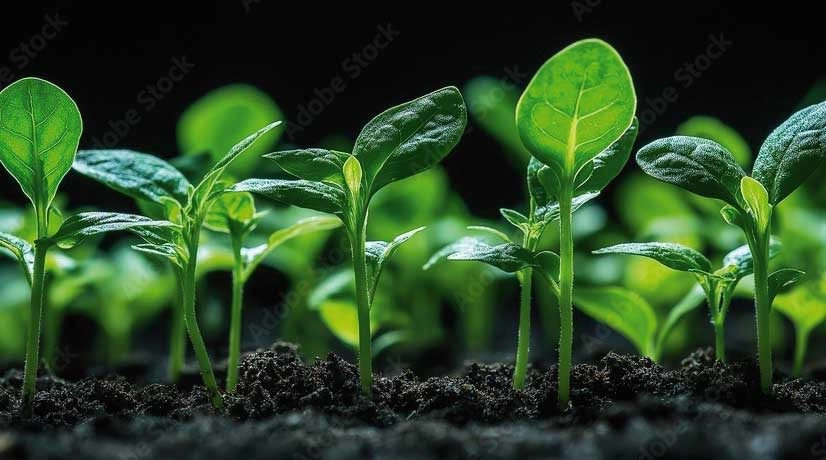
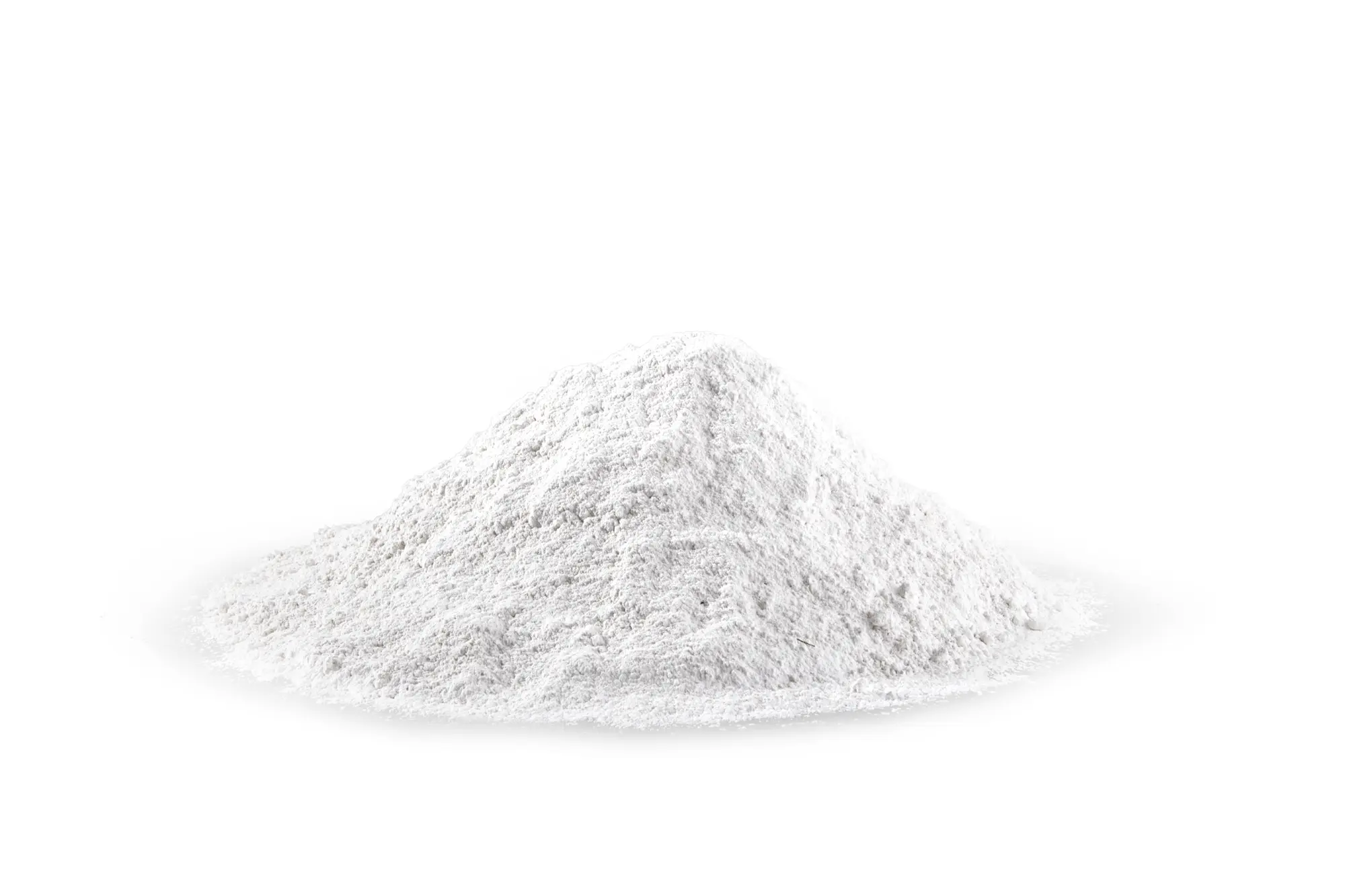
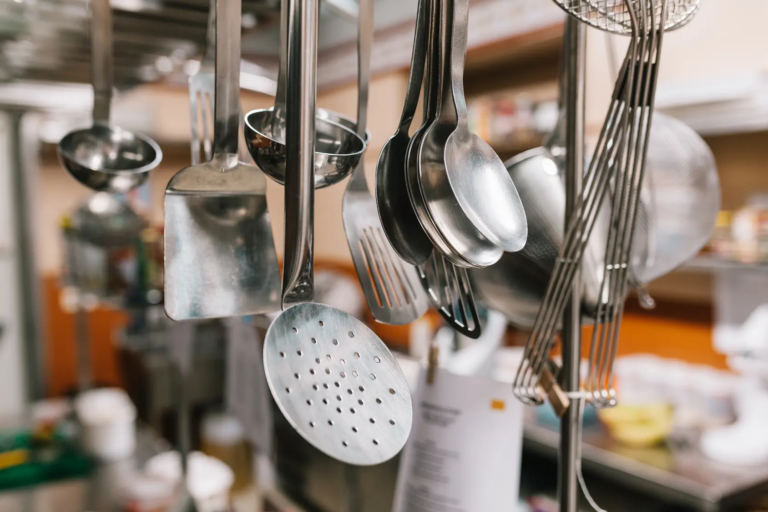
Kitchen utensils, computers, caulking, water, soil, resilient plants and strong trichomes. What do these all have in common? Silicon. That’s right, silicon is found almost everywhere. Where is it not found? Inside most greenhouse environments.

Silicon, while abundant in natural mineral soils (2nd most abundant after oxygen), is for the most part absent or unavailable to plants grown in greenhouses. Most water sources, standard fertilizers and growing media components (i.e., peat, perlite, bark, coir, etc.) do not have silicon available for plants to uptake. As a result, most plants in greenhouses are largely deficient in silicon.
Wait, can plants even be deficient in silicon if it’s not an essential nutrient? Technically no, but they can be deficient from the protective role silicon plays in plants.
Most plants grown in natural soil have evolved to utilize silicon against some of the most common stressors plants face; such as drought, pest, chilling, and salt stress.
What kind of benefits does silicon provide for plants grown in soilless substrate?
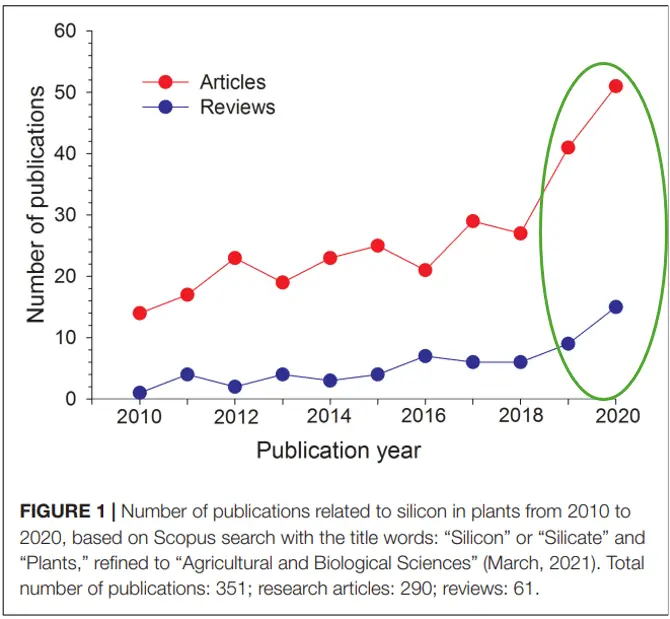
There is a vast literature on the benefits of silicon in plants in agriculture. In the past 10 years research has expanded to show the benefits of providing silicon to plants in growing media (soilless substrate). The photo below shows the rapid increase in scientific publications on silicon in plants since 2018. The results provide undeniable evidence that silicon is beneficial for plants in a multitude of functions. Below is a list of benefits silicon has provided for a variety of plant species in growing media, through scientific, peer-reviewed studies.
- Drought tolerance
- Salt tolerance
- Heavy metal tolerance
- Cold tolerance
- Powdery mildew resistance
- Root rot resistance
- Variable pest resistance
- Improved morphology
- Larger trichomes
How does silicon have all these benefits? What mechanisms are at play?
Usually when a company promotes a material or product that benefits plants in this many ways, the “snake-oil” skepticism can kick in for growers. But when you look at the scientific literature, it’s abundantly clear that silicon provides these benefits across many species.
The mechanisms in which silicon benefits plants can be divided into 3 categories: physical, chemical and phytohormone signaling.
Physical Defense
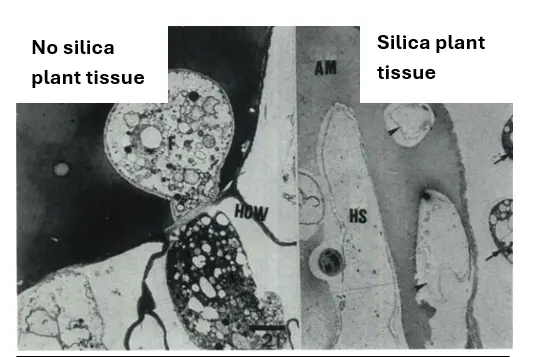
Silicon often accumulates underneath the cuticle (outermost layer of plants) in the epidermis tissue and basal cells. Here, silicon polymerizes into a hydrated amorphous silica (silica gel). This gel supports the cuticle in forming a physical barrier, separating the external environment from the water and nutrient rich internal tissue of the plant.
Under drought or salt stress conditions, water is pulled through the cuticle even when stomata are closed. This occurs as the cuticle is not completely impermeable and water can be pulled out into the dry air. When the cuticle is reinforced with silicon, it is largely theorized that this barrier helps retain water under drought stress. Silicon has also been shown to increase stem diameter, through increasing the size of the vascular bundles. This not only can contribute to drought tolerance, but makes a more sturdy, turgid, resilient plant.
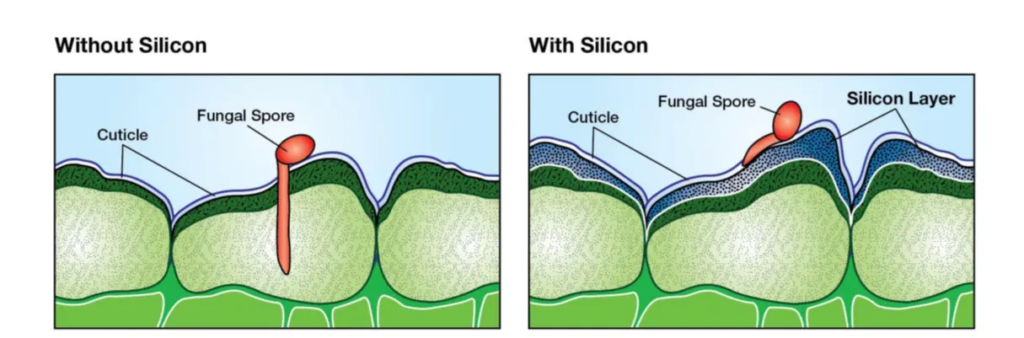
This physical barrier is also theorized to play a role in limiting pathogens and pests from penetrating through the cuticle and infecting the plant or removing precious water and nutrients. For example, the piercing mouthpiece of aphids may be less effective at penetrating plant tissue that has an extra layer of silica vs. just the cuticle. Think of silicon in plants like how silicon caulking is used to seal up water exposed areas in kitchens and bathrooms. It keeps the water and nutrients in, while keeping potential threats out.
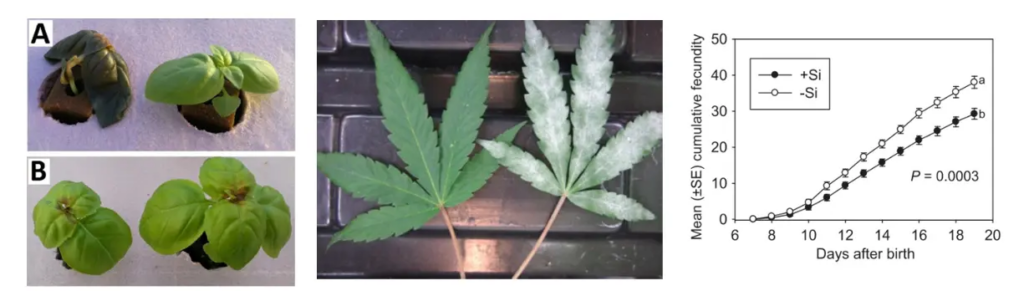
This has huge implications in improving plants’ tolerance to stress. For example, the physical barrier may partially explain why:
- Basil is not damaged from chilling stress – a major issue in for basil producers
- Reduced infection of powdery mildew in cannabis – the most common pathogen for cannabis producers
- Aphids had a lower fecundity in zinnia when provided silicon – a highly damaging pest in floriculture
This makes a lot of intuitive sense when we compare silicon’s role in animals and ourselves. Silicon strengthens connective tissue and bones. It seems to play a similar role in plants. In fact, many agriculture food products like vegetables and grains are great sources of silicon.
Chemical Defense
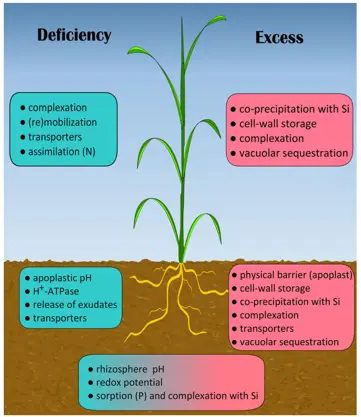
Of the stress types mitigated or reduced, the prevention of metalloid toxicity (heavy metals) is the most well researched. Silicon can reduce metalloids from reaching the leaves and other organs of the shoot system, by limiting the metals from flowing freely in the water-matrix of the plant. Silicon deposited in the cell walls of the roots and stems can bind to some metalloids, preventing further uptake into the plant through wall-bound organosilicon compounds. Silicon can be thought of as a “sticky” element, in that it binds easily with metalloids and turns them into a form that is not transportable to areas of the plant where they can accumulate and cause damage.
The reduction of metalloid accumulation from silicon can also occur through the formation of non-transportable complexes outside of the root, in the rootzone. For example, when aluminum is excess, silicon will bind to it in the rootzone and limit its uptake into the roots. Silicon can also compartmentalize some metalloids; trapping them in cells. For example, silicon has been shown to transport excessive zinc to the vacuole, and “trap” it there, preventing otherwise toxic concentrations from reaching other organs of the plant. This has important implications for cannabis and food producers, who cannot sell plant products with heavy metals. Some of you may be wondering, does silicon “steal” other elements like essential nutrients from the plant? The answer is no, silicon only seems to act on certain metalloids that are at phytotoxic concentrations. Going beyond the internal ionic matrix of the plant, silicon may also be influencing the external environment of the roots. Studies have reported that silicon fertilizers can alter fungal communities in the rootzone and the production of organic acids in the rhizosphere. This indicates that some nutrient uptake may be enhanced at the rhizosphere level when silicon is present through both physiochemical mechanisms and biological mechanism involving local soil microorganisms; however, this is a subject that has been minimally investigated.
Going beyond the internal ionic matrix of the plant, silicon may also be influencing the external environment of the roots. Studies have reported that silicon fertilizers can alter fungal communities in the rootzone and the production of organic acids in the rhizosphere. This indicates that some nutrient uptake may be enhanced at the rhizosphere level when silicon is present through both physiochemical mechanisms and biological mechanism involving local soil microorganisms; however, this is a subject that has been minimally investigated.
Phytohormone Defense
Silicon can enhance the plant’s “immune system” so to speak. When plants undergo stress, such as a pest chewing on its tissue, the silicic acid within the plant tissue can trigger the plant to produce more organic defense molecules like jasmonic acid, salicylic acid, ethylene, and cytokinin when being stressed by a pest or disease. These molecules can make it more difficult for pathogens to survive in plant tissue as illustrated in Fig 4. Note, that silicon only does this in the silicic acid form, not when solidified as a gel. This is why it is important to always have silicon available to the plant, not just applied once and relying on what is stored in the plant. A fundamental mechanism of stress mitigation from these defense molecules is related to reduction of oxidative damage caused by stress either by reduced production of the reactive oxygen species (ROS) or by increased antioxidant metabolism.
Silicon Beyond Stressful Environments
There have also been other reports of silicon enhancing growth under non-stressful conditions. For example, Kamenidou et al., (2008) found that silicon increases flower and stem diameter in sunflowers compared to non-silicon-supplemented plants. Mattson and Leatherwood also found that silicon can increase the flower diameter and leaf thickness of several floriculture crops compared to non-silicon-supplemented plants. It is unknown how silicon benefits plants outside of stressful conditions; however, some suggest the thicker epidermis caused by silicon, reduces transpiration and causes increased swelling of cells in the flower and stem, leading to greater diameters. It is also postulated here that silicon may be enhancing growth by mitigating unseen or low-level stress events, not evident to the researchers. The definition of stress itself (for the purposes of plants) is not explicit. Certainly, stress can come in a variety of forms and severities; however, most results in the production of oxidative species. With this in mind, one could argue that plants are always undergoing some minimal level of stress through the process of photosynthesis, which is inherently and oxidative process. Therefore, silicon may be enhancing growth by minimizing some of this minimal stress; however, this requires further investigation.
I’ve heard silicon plays a role in trichomes? What exactly does it do?
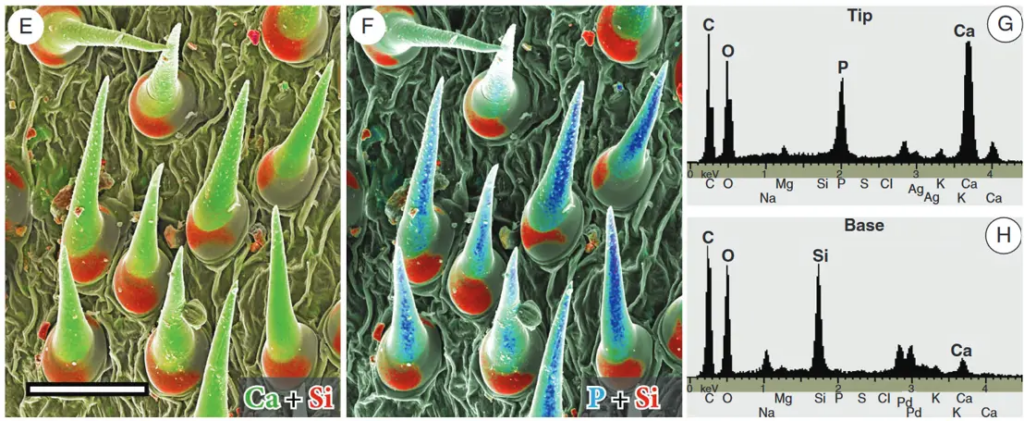
Many studies have identified the accumulation of silicon in the shaft of non-secreting trichomes in trichome producing plants. It is suggested its role here is mechanical support for the rest of the trichrome.
Many people think of cannabis when they hear trichomes, as these are the structures that hold the medicinal cannabinoid compounds in the plant that allows for medical benefits and psychoactive high. So, does silicon increase the concentration of these cannabinoids? There is evidence that points to yes. Silicon can strengthen, reinforce, or further develop trichomes making them more resilient to being ruptured by being physically broken. This has been observed in Artemisia plant. Artemisia is similar to cannabis and produces trichomes that contain the chemical compound artemisinin in it’s trichomes – which is used to treat malaria. There are several other plant species that produce trichomes (including cannabis) where we now know through microscopic mapping, that silicon plays a structural role in the base of trichomes.
Do different species need different amounts of silicon?
The uptake of silicon in plants is highly dependent on plant species; ranging between 0.1 and 10% of total plant dry weight. Plants can be classified into 3 categories based on their silicon uptake: silicon-excluders, silicon-intermediate types and silicon-accumulators.
It is remarkable that silicon can be concentrated beyond the highest absorbed plant essential mineral nutrients (N at 0.5-6% and K at 0.8 – 8%) in some species. Such concentrations would significantly influence the physical structure and ionome (chemical makeup) of the plant. Interestingly, the uptake of silicon has not been shown to directly correlate to the scale of effects or benefits it provides to the plant, as even minor Si-accumulating plants have shown to be affected by silicon.
What form do plants take up silicon?
The forms and naming of silicon can be confusing. Here is what each name means:
Silicon (Si) – elemental silicon (does not exist in nature, needs an associated element)
Silica or silicon dioxide (SiO2) – compounds with silicon and oxygen
Silicate (e.g., CaSiO3, K2SiO3) – silicon salts (how silicon is provided in fertilizer)
Silicone (R2SiO3) – organic forms of silicon, where R is an organic group
Silicic acid or mono silicic acid (Si(OH)4, or H4SiO4) – form that plants uptake
Silicon is only available to plants in the form of (mono)silicic acid (H4SO4). Silicic acid may disassociate and form solid silicates when the in pH solution is >9. Silicon uptake occurs through passive or active modes of transport into the roots depending on the species. The uptake of silicon is not only highly dependent on the species and rootzone, but also the level of stress and metalloid accumulation in the plant. Once inside the roots, the distribution of silicon to the organs is also widely dependent on species and the presence of stress in the plant. Silicon can precipitate with metalloids in the rhizosphere, in the roots or in stems, therefore reducing their concentration and the metalloid concentration further along in the transpiration stream, such as the leaves. In general, most plant species accumulate the most silicon in the roots, followed by the leaves, stems and flowers (if present).
How can I apply silicon to have these benefits?
There are a couple of ways to add silicon to plants, which include:
- Foliar application
- Root drench / irrigation application
- Incorporated into growing media
Silicon is typically provided in the form of:
- Potassium silicate (K2O3Si)
- Sodium silicate (Na2SiO3)
- Calcium silicate (Ca2O4Si)
- Aluminosilicates (found in soil) (Al2SiO5)
- Mono-silicic acid (H4SiO4)
There is a caveat to silicon benefits – silicon needs to be consistently available to the plant. This means foliar and root drench applications need to be repeated. Alternatively, if silicon is provided as a slow-release nutrient in the growing media, no applications are needed.
Sun Gro adds silicon into all of its standard mixes through its patented silicon additive à RESiLIENCE. There is no additional cost to RESiLIENCE and does not require any changes to watering or fertilizer program compared to other standard growing mediums. RESiLIENCE releases silicon overtime (multiple months) allowing for silicon benefits without any application.
There are other forms of physical silicon that can be added to growing media, such as bamboo, parboiled rice hulls, miscanthus, switchgrass, pine bark and slag. However, not all of these materials can easily be added to growing media without issue. One must consider if the silicon is actually bio-available to the plant throughout it’s growth, whether or not the material is sterile, how consistent it is and does it alter the physical and chemical properties of the mix.
Do I have to change my fertility or irrigation practices when incorporating silicon?
Not when silicon is incorporated into the growing media as RESiLIENCE. However, if you wanted to apply silicon through irrigation or foliar spray, you would need to consider other nutrients. For example, many soluble silicon products come in an unstable form and can form precipitates in regular feed solution. This can lead to severe clogging of irrigation nozzle. This precipitation can also occur in the growing media, causing obstruction of water and airflow, preventing proper drainage of the mix. If you want to add silicon through irrigation or foliar spray, it may be safest to apply on it’s own dissolved in water. Keep in mind you still need to apply on a regular (e.g., weekly) basis to get the benefits of silicon.
Silicon is considered a primarily non-essential plant nutrient, however, recent research has demonstrated that silicon has a plethora of functions within the plant to help control several common stresses, leading to the element being considered “quasi-essential” by some researchers. In fact, in 2025 AAPFCO (American Plant Food Control Officials) has revised silicon from being a beneficial plant nutrient to a plant nutrient. Silicon has two primary mechanisms in plants – creating a physical barrier and upregulating pathways which reduce the negative impact of stress. Together, these mechanisms allow plants with silicon uptake to be more tolerant to several stresses, including natural or minor stresses that are encountered by a plant in an controlled environment.
As my colleague Dr. Shiv Reddy once wrote “When the going gets rough, with silicon, plants get tough”.
Brandon Yep, Grower Specialist, Canada

Got questions? Feel free to reach out to me at [email protected]
References
- Bélanger, R.R. “Soluble Silicon – Its Role in Crop and Disease Management in Greenhouse Crops. Plant Disease.” Plant Disease 79, no. 4 (April 1995).
- Berni, Roberto, Rushil Mandlik, Jean‐Francois Hausman, and Gea Guerriero. “Silicon‐induced Mitigatory Effects in Salt‐stressed Hemp Leaves.” Physiologia Plantarum 171, no. 4 (April 2021): 476–82. https://doi.org/10.1111/ppl.13097.
- M. Chérif, N. Benhamou, J.G. Menzies, R.R. Bélanger. ”Silicon induced resistance in cucumber plants against Pythium ultimum” Physiological and Molecular Plant Pathology 41, Issue 6 (1992): 411-425. https://doi.org/10.1016/0885-5765(92)90053-X.
- Chérif, M., J.G. Menzies, D.L. Ehret, C. Bogdanoff, and R.R. Bélanger. “Yield of Cucumber Infected with Pythium Aphanidermatum When Grown with Soluble Silicon.” HortScience 29, no. 8 (August 1994): 896–97. https://doi.org/10.21273/HORTSCI.29.8.896.
- Dayanandan, P., and Peter B. Kaufman. “Trichomes of Cannabis Sativa L. (Cannabaceae).” American Journal of Botany 63, no. 5 (May 1976): 578–91. https://doi.org/10.1002/j.1537-2197.1976.tb11846.x.
- Dixon, Ed, Kimberly Leonberger, Bernadette Amsden, Desiree Szarka, Misbakhul Munir, Wooiklee Payee, Lawrence Datnoff, Brenda Tubana, and Nicole Gauthier. “Suppression of Hemp Powdery Mildew Using Root-Applied Silicon.” Plant Health Progress 23, no. 3 (January 1, 2022): 260–64. https://doi.org/10.1094/PHP-01-22-0005-SC.
- Flora, Christopher, Sushant Khandekar, Jennifer Boldt, and Scott Leisner. “Silicon Alleviates Long-Term Copper Toxicity and Influences Gene Expression in Nicotiana Tabacum.” Journal of Plant Nutrition 42, no. 8 (May 9, 2019): 864–78. https://doi.org/10.1080/01904167.2019.1589508.
- Frantz, Jonathan M., Sushant Khandekar, and Scott Leisner. “Silicon Differentially Influences Copper Toxicity Response in Silicon-Accumulator and Non-Accumulator Species.” Journal of the American Society for Horticultural Science 136, no. 5 (September 2011): 329–38. https://doi.org/10.21273/JASHS.136.5.329.
- Frantz, Jonathan M, and James C. Locke. “Ready Research Results: Silicon In Floriculture Fertility Programs.” Floriculture Research Alliance, Production Special Series, n.d.
- Gillman, Jeffrey H., David C. Zlesak, and Jason A. Smith. “Applications of Potassium Silicate Decrease Black Spot Infection in Rosa Hybrida `Meipelta’ (Fuschia MeidilandTM).” HortScience 38, no. 6 (October 2003): 1144–47. https://doi.org/10.21273/HORTSCI.38.6.1144.
- Guerriero, Gea, Rupesh Deshmukh, Humira Sonah, Kjell Sergeant, Jean-Francois Hausman, Esther Lentzen, Nathalie Valle, Khawar Sohail Siddiqui, and Christopher Exley. “Identification of the Aquaporin Gene Family in Cannabis Sativa and Evidence for the Accumulation of Silicon in Its Tissues.” Plant Science 287 (October 2019): 110167. https://doi.org/10.1016/j.plantsci.2019.110167.
- Li, Yuan, Joseph Heckman, Andrew Wyenandt, Neil Mattson, Edward Durner, and A.J. Both. “Potential Benefits of Silicon Nutrition to Hydroponically Grown Sweet Basil.” HortScience 55, no. 11 (November 2020): 1799–1803. https://doi.org/10.21273/HORTSCI15320-20.
- Liu, Bo, Keith Davies, and Avice Hall. “Silicon Builds Resilience in Strawberry Plants against Both Strawberry Powdery Mildew Podosphaera Aphanis and Two-Spotted Spider Mites Tetranychus Urticae.” Edited by Birinchi Sarma. PLOS ONE 15, no. 12 (December 8, 2020): e0241151. https://doi.org/10.1371/journal.pone.0241151.
- Luyckx, Marie, Jean-Francois Hausman, Stanley Lutts, and Gea Guerriero. “Silicon and Plants: Current Knowledge and Technological Perspectives.” Frontiers in Plant Science 8 (March 23, 2017). https://doi.org/10.3389/fpls.2017.00411.
- Luyckx, Marie, Jean-François Hausman, Mathilde Blanquet, Gea Guerriero, and Stanley Lutts. “Silicon Reduces Cadmium Absorption and Increases Root-to-Shoot Translocation without Impacting Growth in Young Plants of Hemp (Cannabis Sativa L.) on a Short-Term Basis.” Environmental Science and Pollution Research 28, no. 28 (July 2021): 37963–77. https://doi.org/10.1007/s11356-021-12912-y.
- Luyckx, Marie, Jean-François Hausman, Gea Guerriero, and Stanley Lutts. “Silicon Reduces Zinc Absorption and Triggers Oxidative Tolerance Processes without Impacting Growth in Young Plants of Hemp (Cannabis Sativa L.).” Environmental Science and Pollution Research 30, no. 1 (January 2023): 943–55. https://doi.org/10.1007/s11356-022-21797-4.
- Mattson, Neil S., and W. Roland Leatherwood. “Potassium Silicate Drenches Increase Leaf Silicon Content and Affect Morphological Traits of Several Floriculture Crops Grown in a Peat-Based Substrate.” HortScience 45, no. 1 (January 2010): 43–47. https://doi.org/10.21273/HORTSCI.45.1.43.
- McAvoy, Richard J., and Bernard B. Bible. “Silica Sprays Reduce the Incidence and Severity of Bract Necrosis in Poinsettia.” HortScience 31, no. 7 (December 1996): 1146–49. https://doi.org/10.21273/HORTSCI.31.7.1146.
- Mustafa, Adeel, Hans-Jürgen Ensikat, and Maximilian Weigend. “Mineralized Trichomes in Boraginales: Complex Microscale Heterogeneity and Simple Phylogenetic Patterns.” Annals of Botany 121, no. 4 (March 14, 2018): 741–51. https://doi.org/10.1093/aob/mcx191.
- Pavlovic, Jelena, Ljiljana Kostic, Predrag Bosnic, Ernest A. Kirkby, and Miroslav Nikolic. “Interactions of Silicon With Essential and Beneficial Elements in Plants.” Frontiers in Plant Science 12 (June 23, 2021): 697592. https://doi.org/10.3389/fpls.2021.697592.
- Pozo, Judith, Miguel Urrestarazu, Isidro Morales, Jessica Sánchez, Milagrosa Santos, Fernando Dianez, and Juan E. Álvaro. “Effects of Silicon in the Nutrient Solution for Three Horticultural Plant Families on the Vegetative Growth, Cuticle, and Protection Against Botrytis Cinerea.” HortScience 50, no. 10 (October 2015): 1447–52. https://doi.org/10.21273/HORTSCI.50.10.1447.
- Ranger, Christopher M., Ajay P. Singh, Jonathan M. Frantz, Luis Cañas, James C. Locke, Michael E. Reding, and Nicholi Vorsa. “Influence of Silicon on Resistance of Zinnia Elegans to Myzus Persicae (Hemiptera: Aphididae).” Environmental Entomology 38, no. 1 (February 1, 2009): 129–36. https://doi.org/10.1603/022.038.0116.
- Rogalla, H., and V. Römheld. “Role of Leaf Apoplast in Silicon‐mediated Manganese Tolerance of Cucumis Sativus L.” Plant, Cell & Environment 25, no. 4 (April 2002): 549–55. https://doi.org/10.1046/j.1365-3040.2002.00835.x.
- Scott, Cameron, and Zamir K. Punja. “Evaluation of Disease Management Approaches for Powdery Mildew on Cannabis Sativa L. (Marijuana) Plants.” Canadian Journal of Plant Pathology 43, no. 3 (May 4, 2021): 394–412. https://doi.org/10.1080/07060661.2020.1836026.
- Zellner, Wendy, Brenda Tubaña, Fabrício A. Rodrigues, and Lawrence E. Datnoff. “Silicon’s Role in Plant Stress Reduction and Why This Element Is Not Used Routinely for Managing Plant Health.” Plant Disease 105, no. 8 (August 1, 2021): 2033–49. https://doi.org/10.1094/PDIS-08-20-1797-FE.