

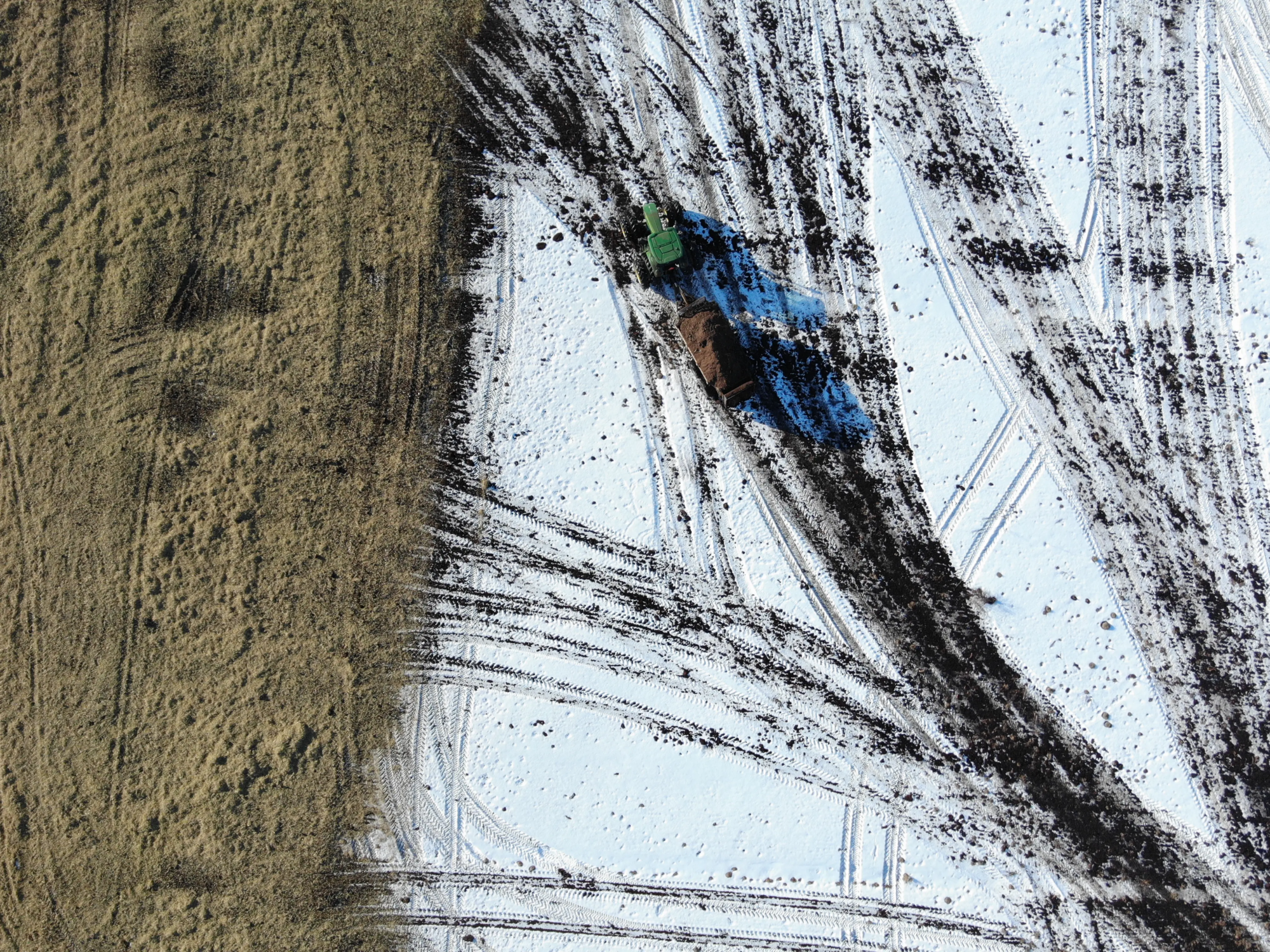
A bog is more than wet ground. It’s a slow-growing ecosystem of stored carbon, built by Sphagnum moss—the plant material that creates the conditions needed for peat to accumulate—over centuries. When peat is harvested, that system stops. Restoration is starting the process all over again.
Done properly, restoration should block drainage ditches, raise water levels, and reintroduce bog plants. This helps re-establish bog vegetation, support the return of wildlife, and restore its natural ability to accumulate peat for the long term. Left undone, bogs stay dry and therefore unable to support Sphagnum moss.
But before considering the aftermath of bog restoration, it’s important to understand what the process actually looks like.
Bog Restoration in Practice
Every bog restoration project is tailored to site-specific conditions. One technical resource specialist at Sun Gro breaks it down in four steps:
- Rewet the bog and recontour the site: Block the drainage ditches originally dug for peat harvesting and reconnect the bog with the surrounding landscape to restore natural waterflow patterns.
- Collect plant material: Get plant material from a nearby bog, also known as a “donor site.” Only collect material from the upper 10 centimeters of the bog, as this contains the greatest concentration of living plant fragments, seeds, and spores.
- Spread the material: The material is spread across the area at a ratio of 1:10—meaning one square meter of donor material can cover 10 square meters of restored bog.
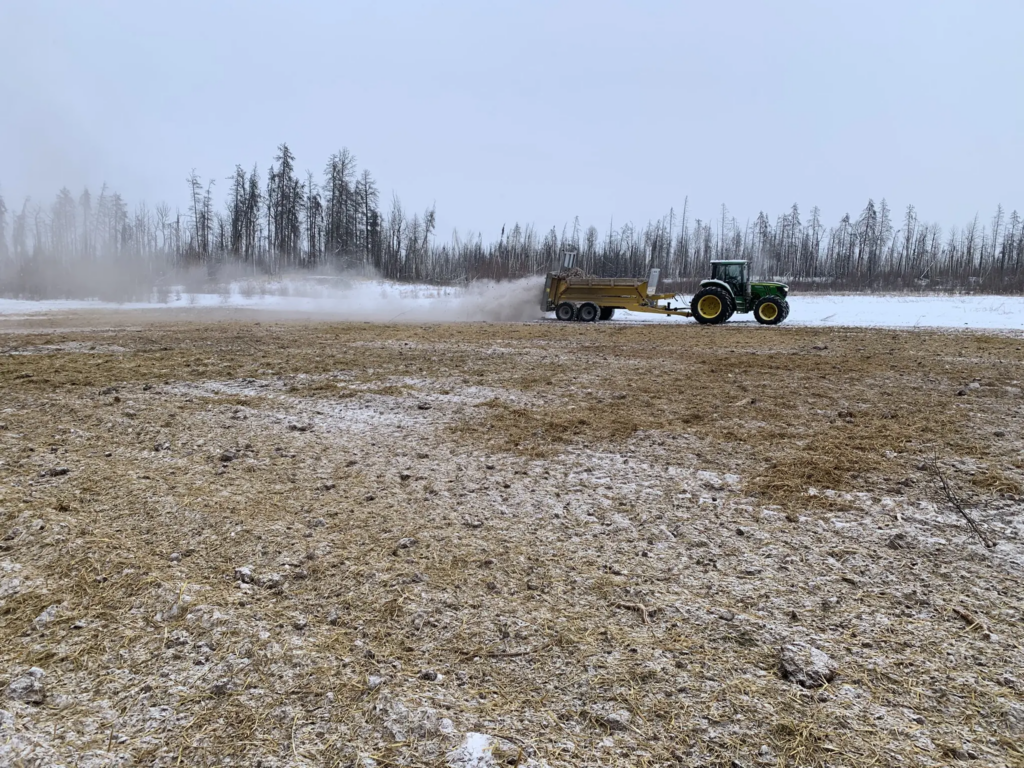
- Cover the site with straw mulch: This helps retain moisture and protect establishing plants. Sometimes a light application of fertilizer is added to support vegetation growth.
Depending on the size and complexity of the site, the on-the-ground restoration process can happen in the span of three to six months. But the complete restoration process is much longer than that. New vegetation can start developing within the first few years, and bogs may need several decades to redevelop plant communities.
In light of this, restored sites are monitored for the long term to track their progress and evaluate successful restoration.
Major Milestones in Bog Restoration
Restoring water levels is the first milestone in bog restoration, focusing specifically on retaining water within the bog by blocking ditches and re-establishing the site’s natural hydrology. This milestone is typically reached when the water table stays close to the peat surface across most of the site.
The second major milestone is the successful establishment of Sphagnum moss. Teams reach this milestone when Sphagnum moss fragments survive and spread across the restoration site from year to year.
The third and final milestone in bog restoration is the return of peat accumulation—but reaching this stage can take decades. Teams watch for organic material to accumulate beneath the living Sphagnum moss layer. This is the clearest sign that the bog is successfully moving toward a self-sustaining state.
Trained personnel conduct surveys to track the presence of bog species and how much of the site they cover. Over time, the restoration site begins to look like a natural bog with mosses, shrubs, and other peatland species becoming increasingly present.
Overcoming Setbacks
Weather is one of the biggest, most common challenges teams run into during the bog restoration process. These challenges are especially prominent during the winter, when the ground is frozen.
- Extreme cold conditions: Creates safety concerns and can cause equipment problems.
- Unexpected warm conditions: Can create soft, slushy conditions that limit access.
Winter aside, heavy rainfall can restrict access to the site and limit restoration work. And due to changing weather conditions, restoration schedules need to stay flexible. Patience isn’t just a virtue here, it’s a requirement of a process that’s measured in decades, not seasons.
Highlights in the Process
The most memorable part of the restoration process is often the first visit to the site after the work has been completed. In western and central Canada, most bog restoration operations occur during the winter—as a result, the site is often quickly covered by snow.
After the snow melts and the growing season officially begins, the technical resource specialist says, it’s rewarding to see the work that’s been done and witness the beginning of a bog restoration project. To the untrained eye, the process may not seem notable during the early stages.
But the entire bog restoration process requires patience. It takes time for plants to establish and for the ecosystem to start to recover. The work that goes into preparing the site and creating the right conditions for peatland plants to return makes the early signs of growth rewarding to see.
A restored bog doesn’t happen overnight, and it doesn’t announce itself. But that slow, quiet return is the whole point. Under the surface, carbon is starting to stack up again, one Sphagnum moss fragment at a time. That’s what returning a bog to itself really means: not restoring it, but stepping back far enough to let it restore itself.