

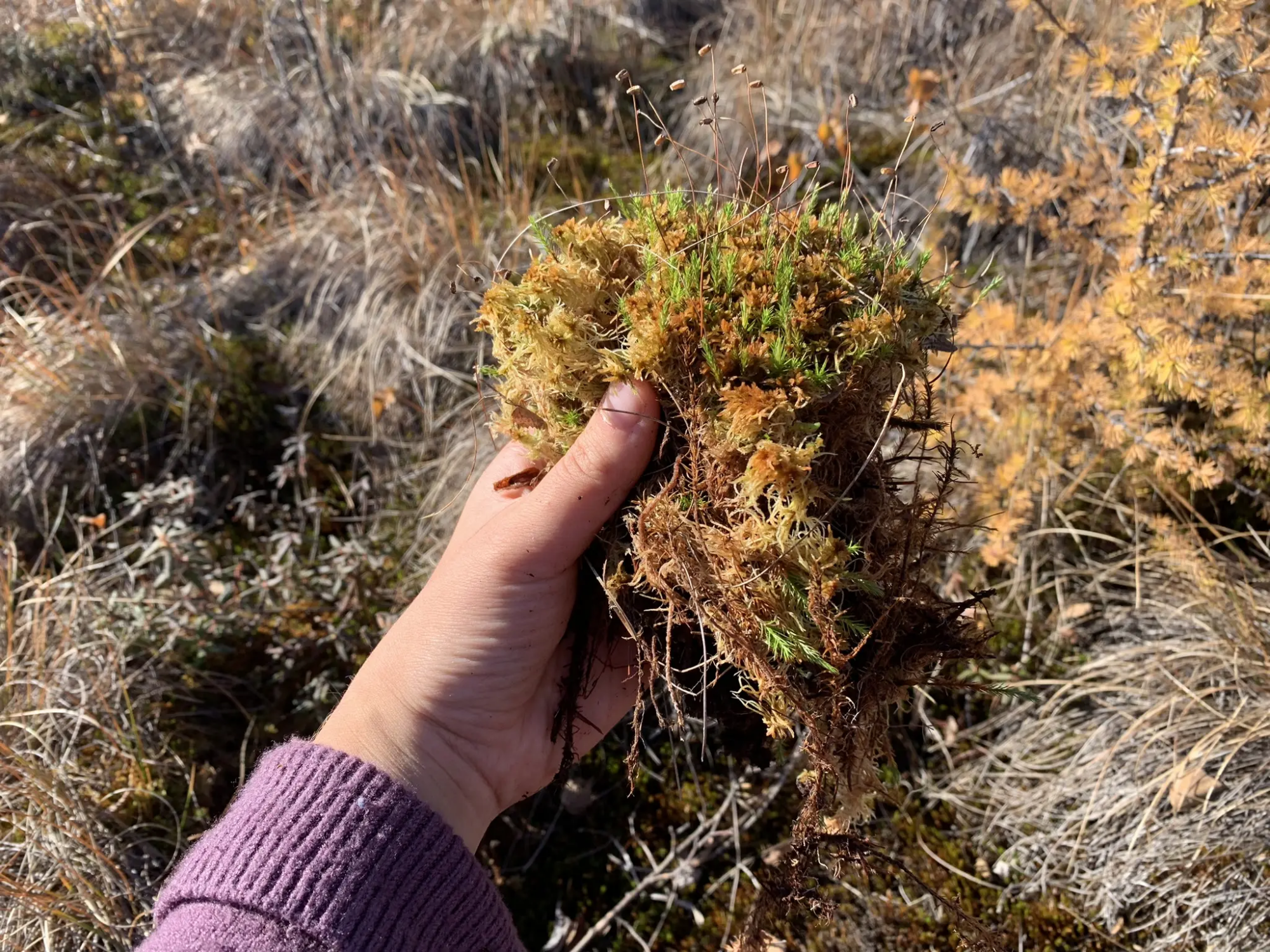
Bog management is essential for supporting the sustainable extraction of peat. Simply defined, it’s the ongoing planning, maintenance, and monitoring of the peatland used in peat harvesting. When done properly, bog management minimizes environmental impacts and prepares the site for restoration after it’s been harvested.
Bogs require daily management, though the specific tasks vary by weather and season.
On the harvest side, this can include:
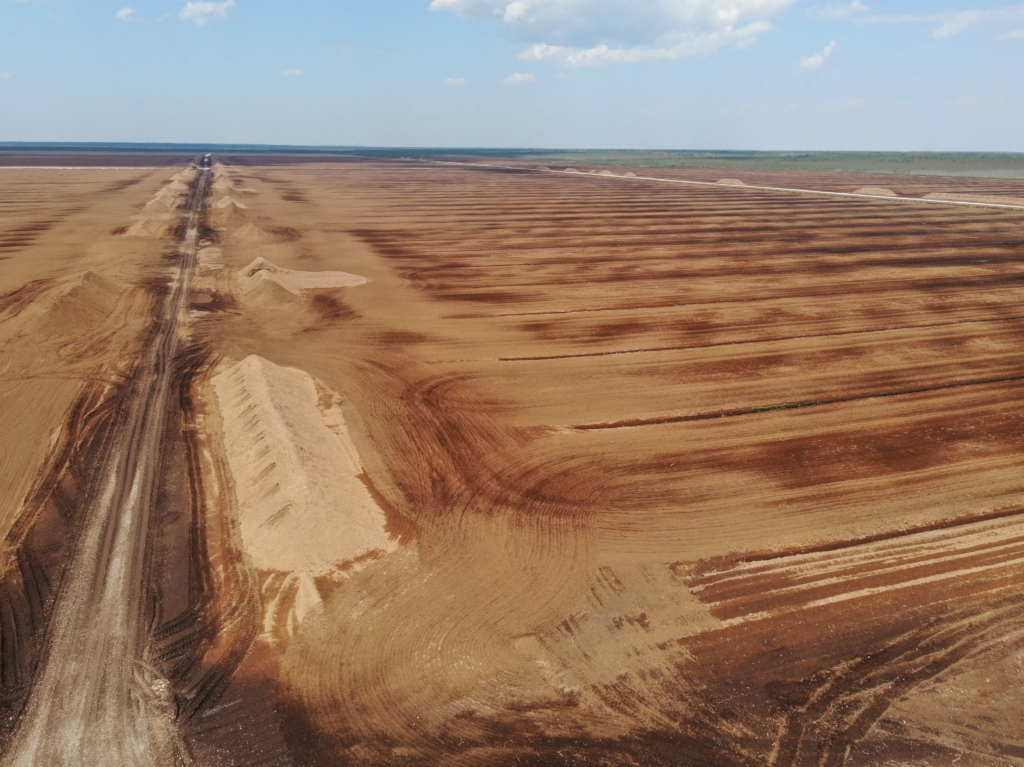
- Preparing fields for harvesting peat
- Harvesting peat
- Loading and transporting peat to a production facility
- Managing vegetation on operational areas
- Inspecting, maintaining, and repairing equipment as well as infrastructure
Once an area has been harvested, the focus shifts to restoration:
- Carrying out restoration operations on previously harvested areas
- Monitoring previously restored sites
Weather is the deciding factor of which tasks can take place on any given day.
What About the Weather?
Seasonal weather patterns directly influence bog management and peat harvesting conditions, affecting site access, water management, maintenance activities, and restoration operations. Heavy rainfall and dry weather conditions are the primary conditions to plan around: rain can stall operations, while dry weather is often ideal for harvesting.
Extended periods of heat and wind are the exception, though, as they raise the risk of fire. Sun Gro Technical Resource Specialists note that prolonged dry, windy stretches can reduce or halt field operations to protect both the bog and the workers harvesting it.
Climate, distinct from day-to-day weather, shapes bog management over the long term through precipitation patterns, temperature, water levels, growing seasons, and wildfire risk. These factors are typically built into high-level operational planning to keep peat harvesting efficient and peatlands managed responsibly.
Water management is arguably the most critical piece of bog management overall.
What About Water?
In bog management, water levels are managed through a network of ditches. Excessive rainfall or high water tables—water sitting near the surface of the bog—can slow peat drying and limit access to harvest fields.
Beyond harvesting, proper management protects downstream water quality and manages runoff from the harvesting site. Once peat is no longer being harvested from the area, water management practices shift to create the conditions peatland plants need to grow and the ecosystem needs to recover.
Alongside water management, protecting the surrounding landscape is a priority from the earliest planning stages.
Protecting the Surrounding Landscape
Natural vegetation is maintained around the bog to help reduce wind erosion and dust generation. This helps minimize the potential impacts on the surrounding landscape as bog development takes place.
Throughout the bog management process and into restoration, water samples are collected regularly to monitor water quality and ensure operations aren’t harming the surrounding area.
Teams also monitor buffer zones using water table measurements and vegetation surveys, tracking erosion to keep banks stable and prevent peat particles from washing into nearby waterways. In addition, gated culverts could be added to give teams more control over water leaving the site. Combined, these steps help catch and address any impact on ecosystems nearby.
Managing a Bog Post-Harvest
After peat harvesting is complete, the site enters a restoration phase. The goal is to re-establish a peat ecosystem that can sustain itself, accumulate peat, and provide important ecological functions.
To effectively and sustainably restore a bog, many teams use the Moss Layer Transfer Technique (MLTT). The process is based on two actions:
- Rewetting the site by blocking ditches to raise water levels and create the conditions needed for proper bog development.
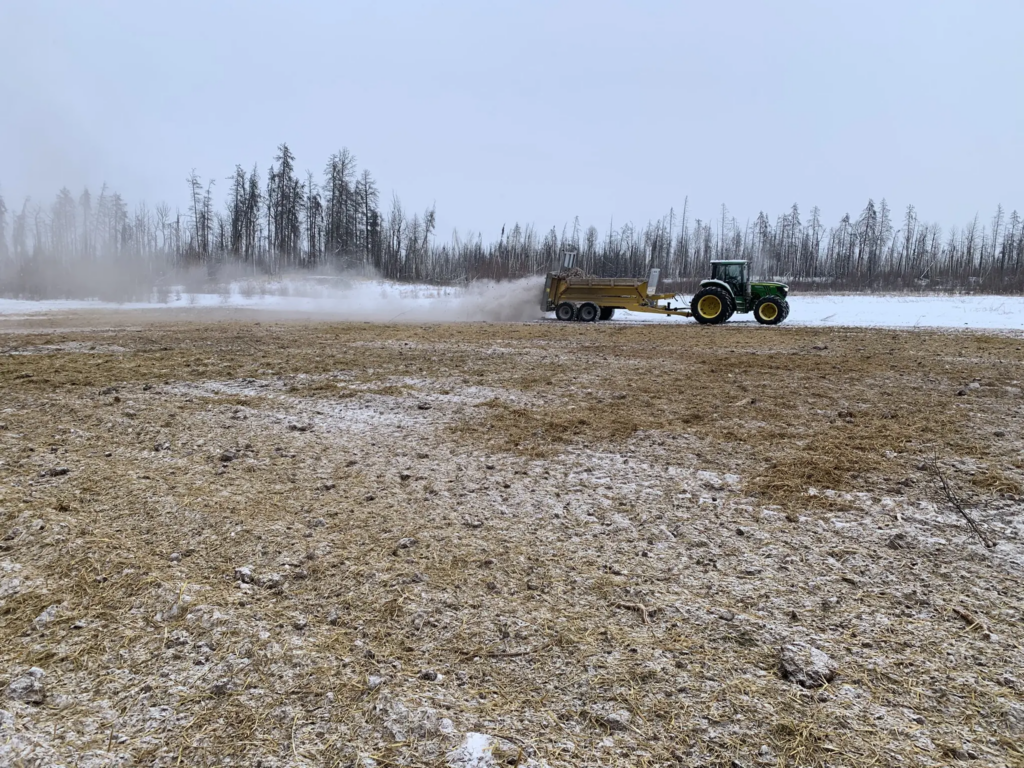
- Spreading Sphagnum moss (peat-forming vegetation) across the restoration area—the plant material is often applied at a ratio of 1 m² for every 10 m² of restoration area. The area is then covered with a layer of straw mulch to help retain moisture and protect the plant material.
This process allows the restored bog to begin accumulating peat again—and there are steps teams can take to make sure the restored bog is recovering well.
Monitoring the Recovery Process
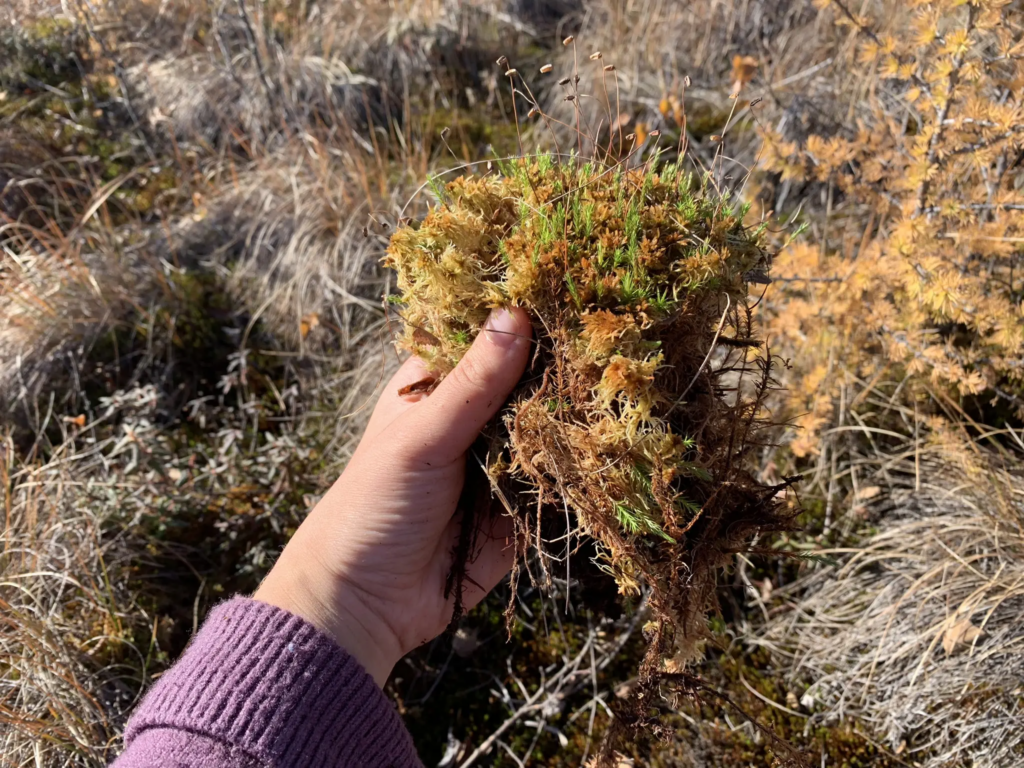
Teams know a bog is recovering well when it begins to re-establish the characteristics of natural peatland. One of the most significant indicators is the successful growth and spread of Sphagnum moss, as this allows peat to accumulate gradually over time. Another indicator is a water table within 30 centimeters of the ground surface.
Actively monitoring vegetation, hydrology, and ecosystem function is essential for evaluating restoration progress. In fact, researchers across Canada regularly visit restoration sites to collect data on plant communities, water levels, water chemistry, and greenhouse gas fluxes. Tracking these factors over time helps determine if a restored bog is progressing toward becoming a self-sustaining peatland ecosystem.
Bog management isn’t one task. It’s a continuous cycle of harvesting, protecting, and restoring. Done right, it doesn’t just support today’s peat production; it leaves the land ready to become a thriving peatland again. Manage the weather, manage the water, manage the land, and the bog will manage its own comeback.