

Returning a Bog to Itself: A Guide to Peatland Restoration
The peatland restoration process helps re-establish bog vegetation, support the return of wildlife, and restore a bog's natural ability to accumulate peat for the long term.

The peatland restoration process helps re-establish bog vegetation, support the return of wildlife, and restore a bog's natural ability to accumulate peat for the long term.
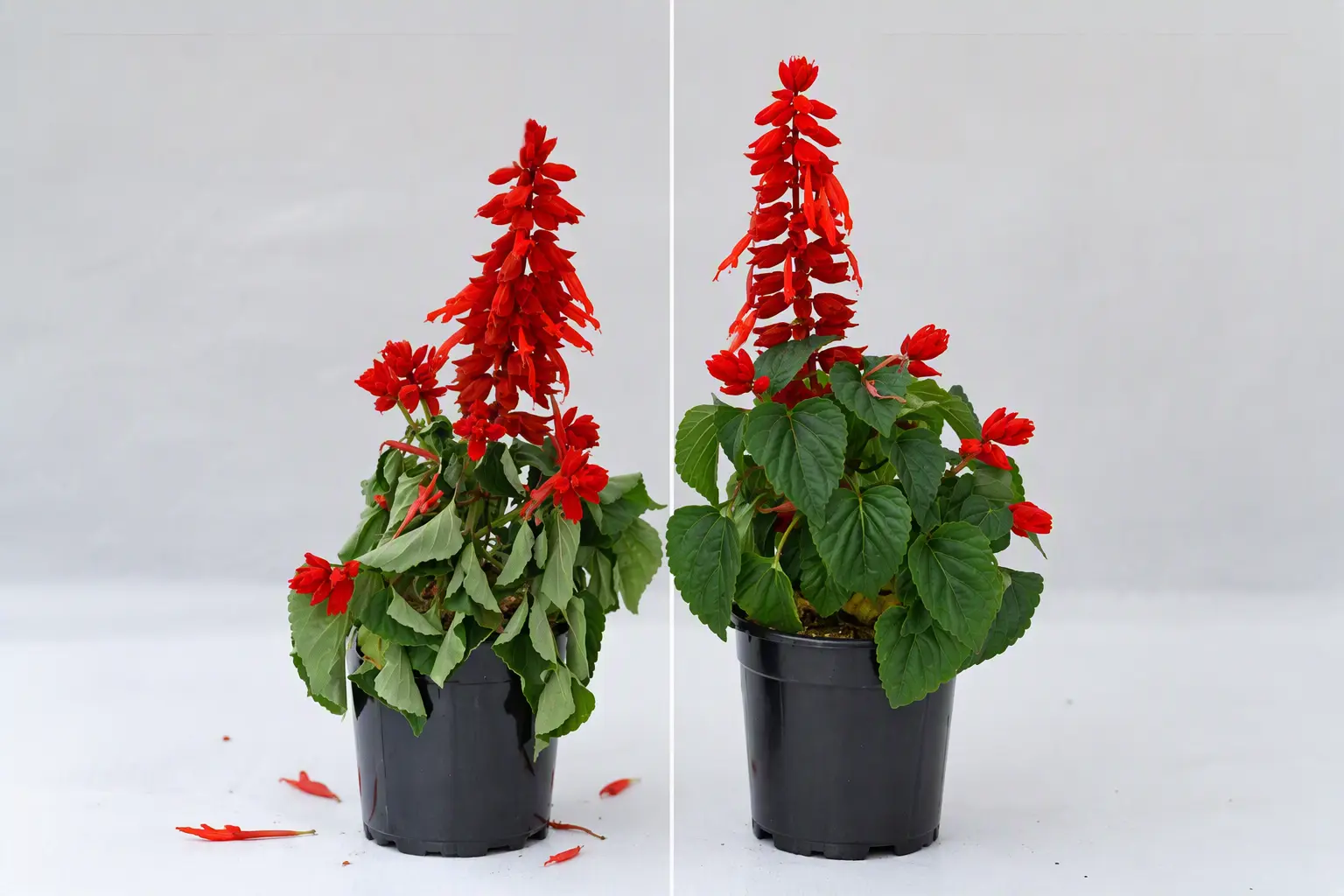
Silicon may be one of the most overlooked plant nutrients in greenhouse production. Learn how silicon helps improve drought tolerance, pest and disease resistance, plant structure, and overall crop resilience in soilless growing media.
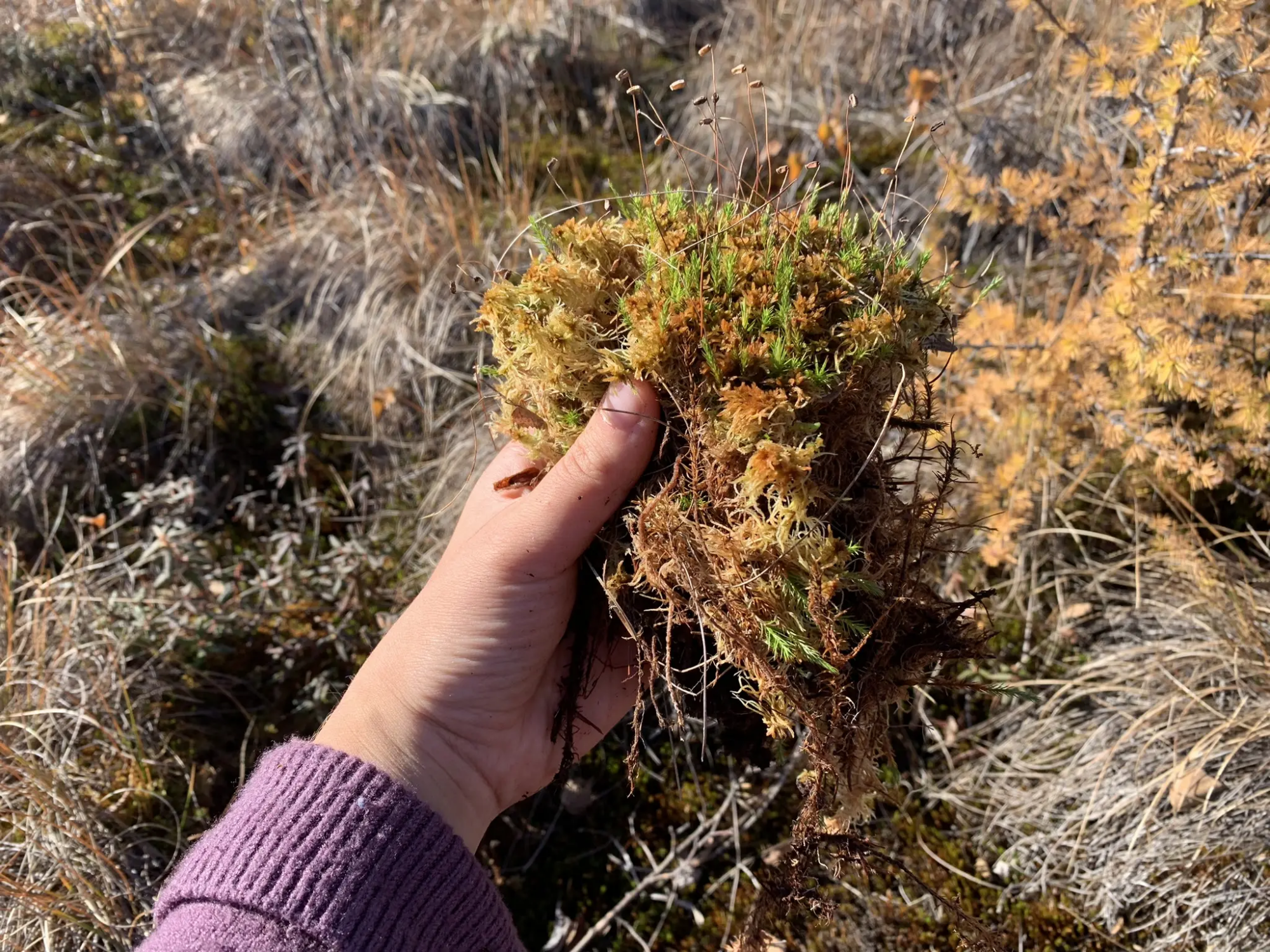
When done right, bog management protects the land now and sets it up to heal later.
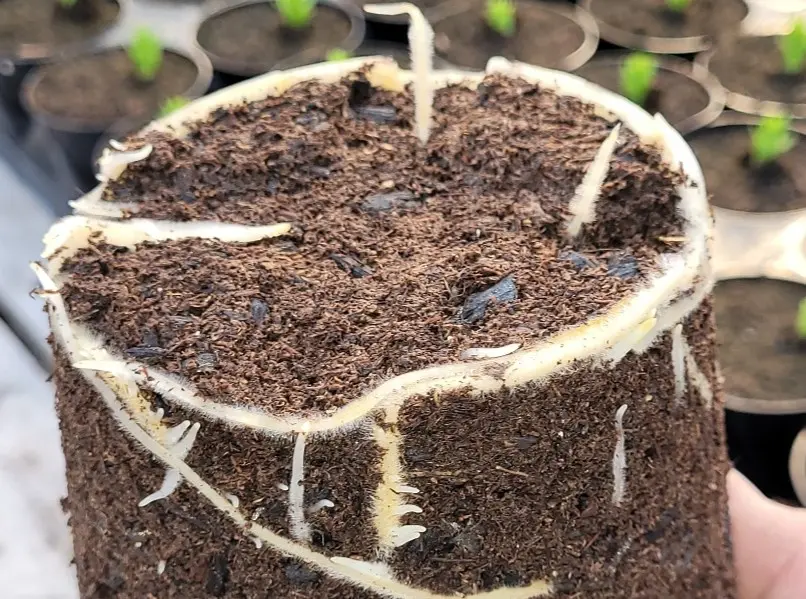
Biochar vs. perlite: Which growing media aggregate performs better? This in-depth guide explores the physical, chemical, and sustainability advantages of Black Bear® biochar for greenhouse, nursery, and horticultural production.
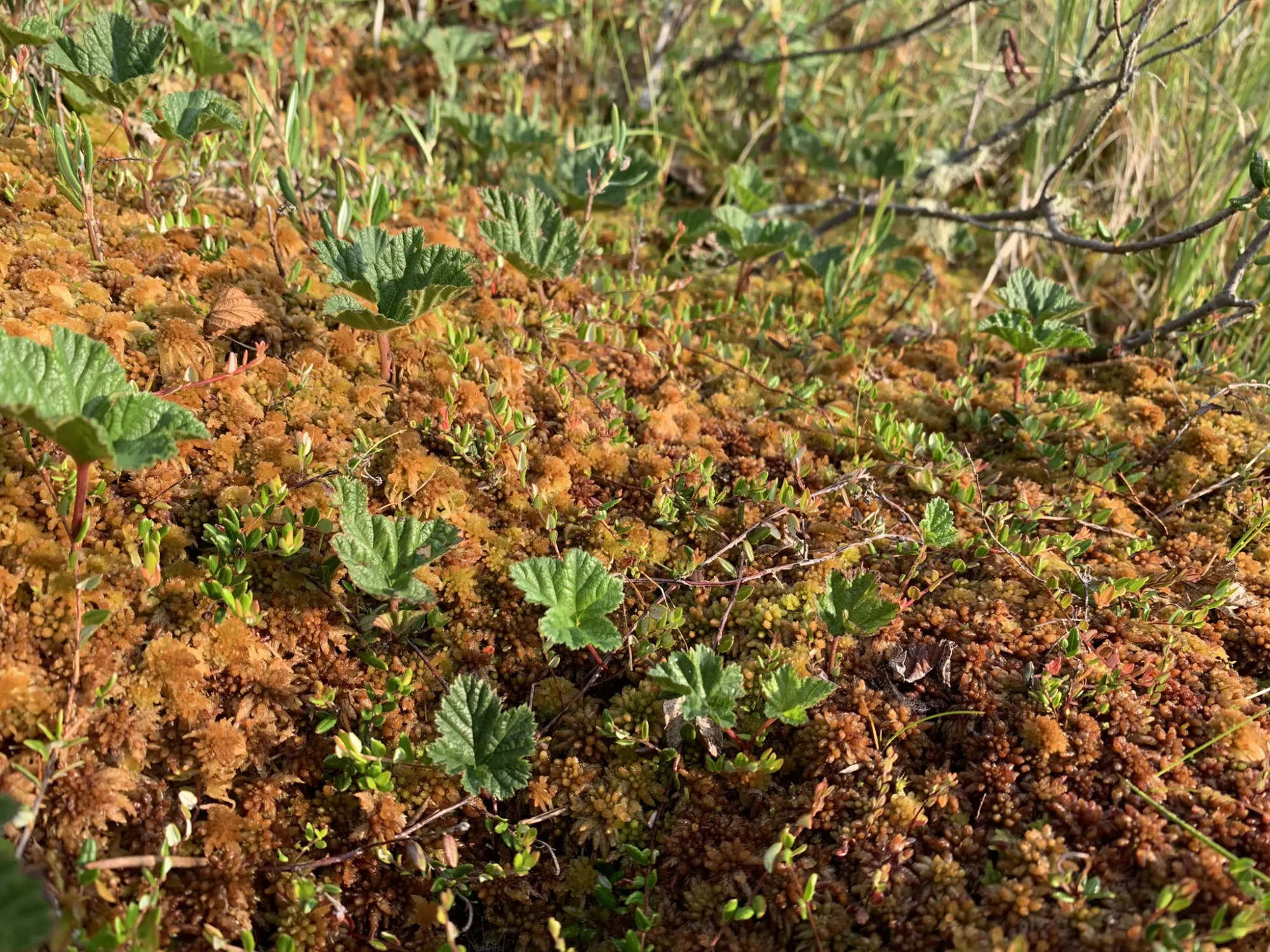
Finding a bog isn't always straightforward. Plenty of places mimic one, and it takes a trained eye to spot the real thing.
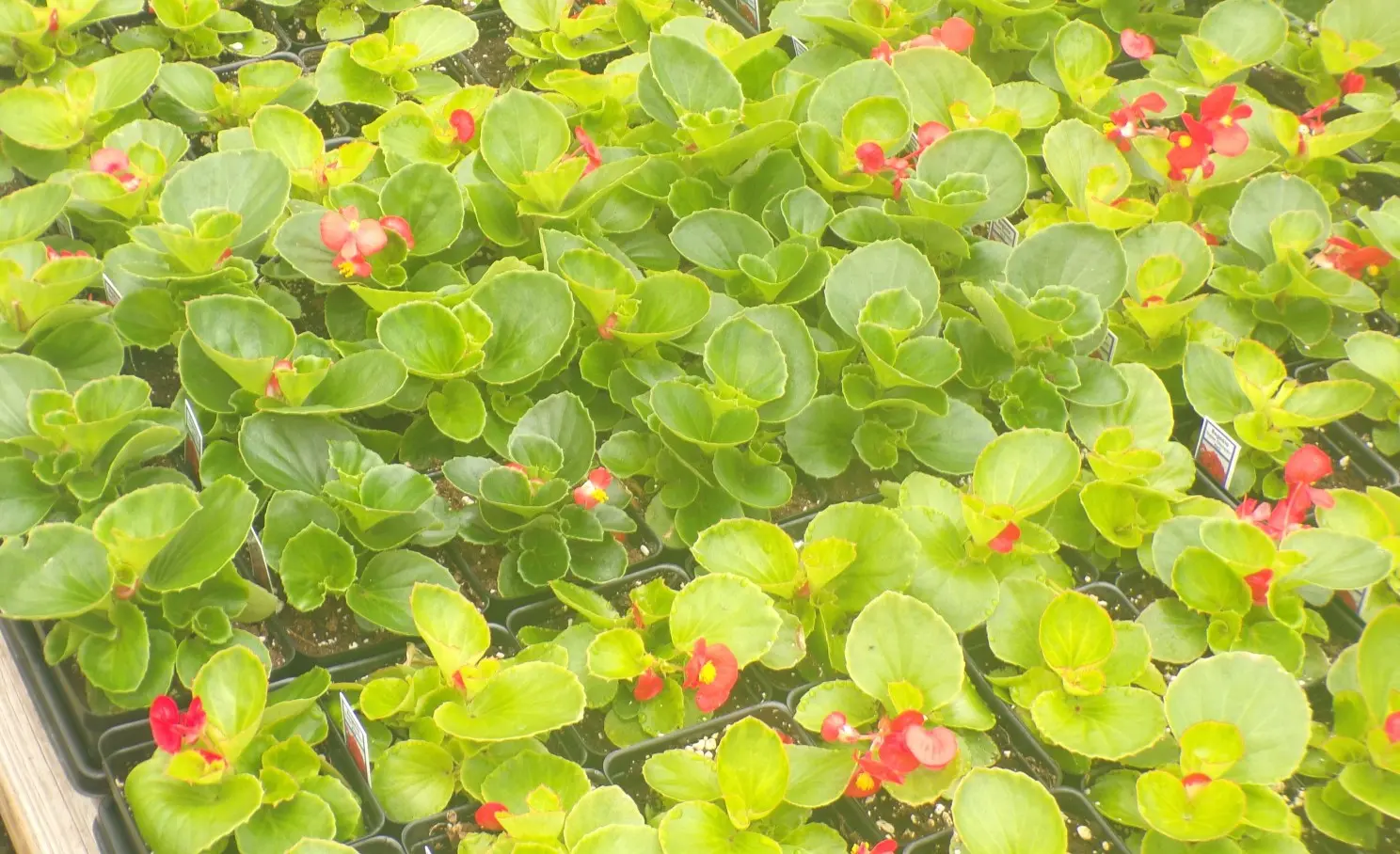
There are plenty of nutrient deficiency symptoms growers can encounter, but the most common (and obvious) one is a change in leaf color. “The nutrient deficiency they’re most likely to see is when the plant is much lighter in color,” says Dan Jacques, Grower…
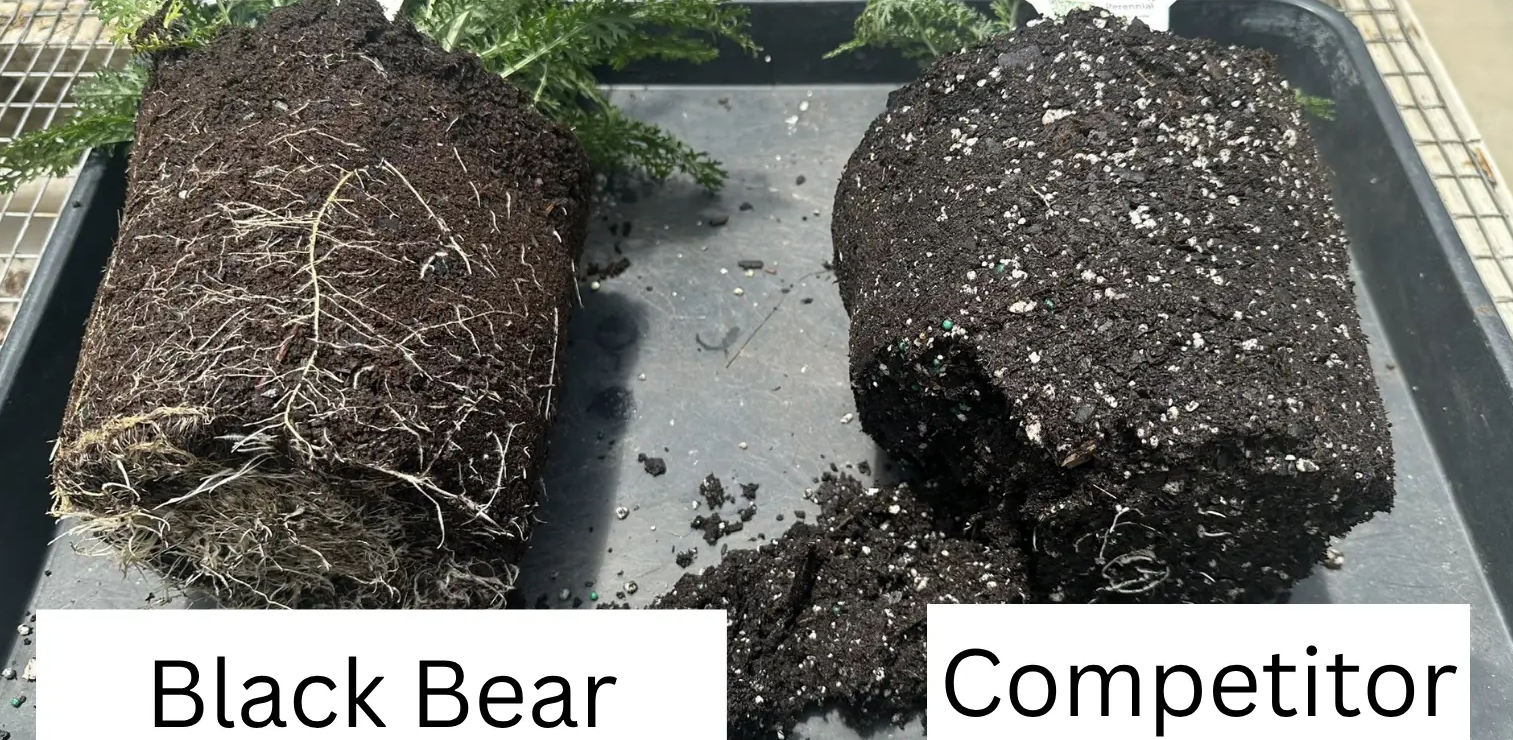
From a grower’s perspective, a growing media trial is fairly simple: they’re growing the plants they always do in a new growing media. “The word ‘trial’ makes it sound like a complicated process, but it’s really not,” says Stephanie Cruz, grower specialist for Sun…
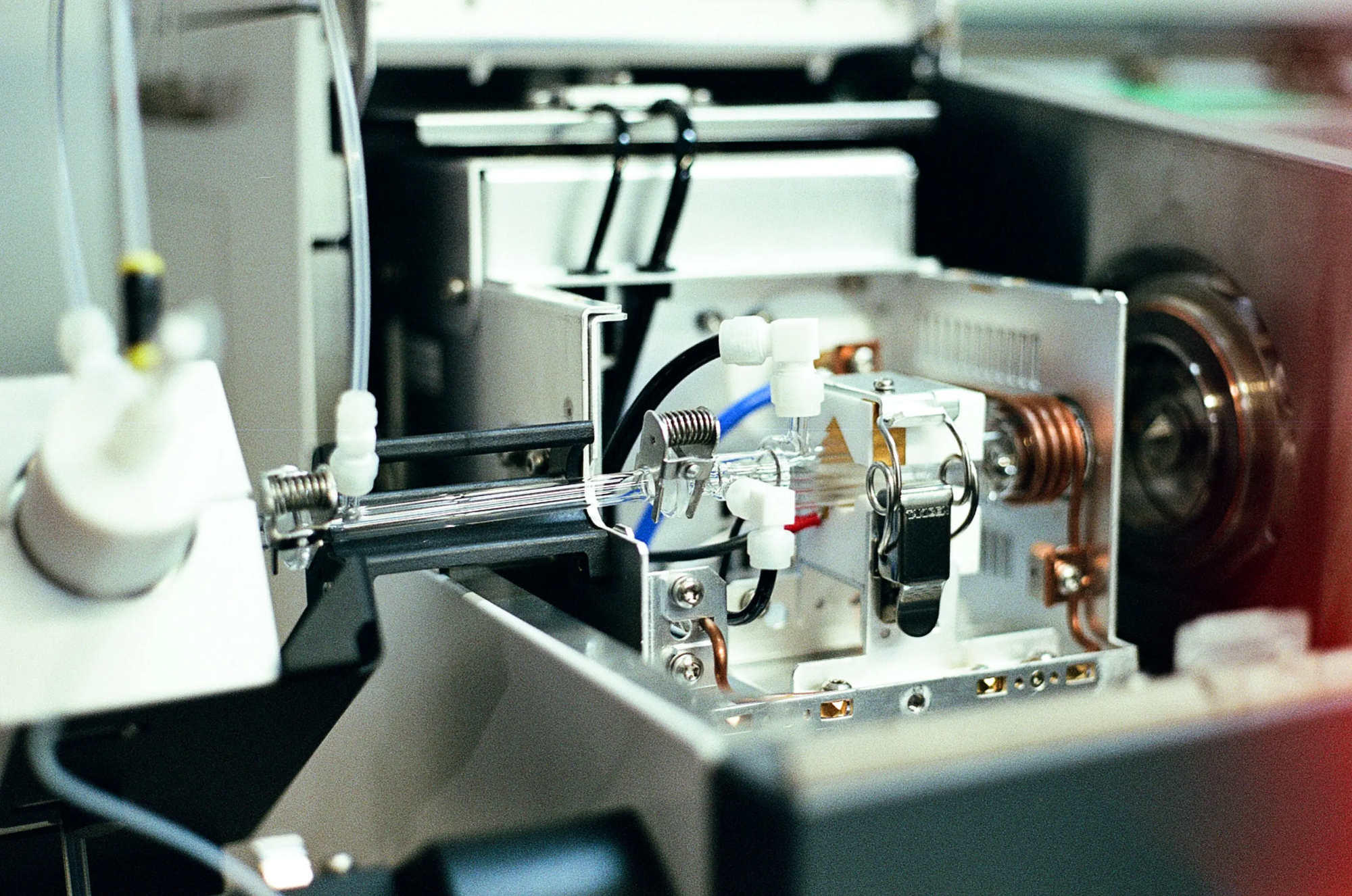
The unintended introduction of heavy metals into the production environment poses a hazardous and potentially costly risk for growers producing medicinal and edible crops. To safeguard these crops and consumers alike, it is critical that growers understand potential strategies for screening and remediating heavy metals from the production environment.
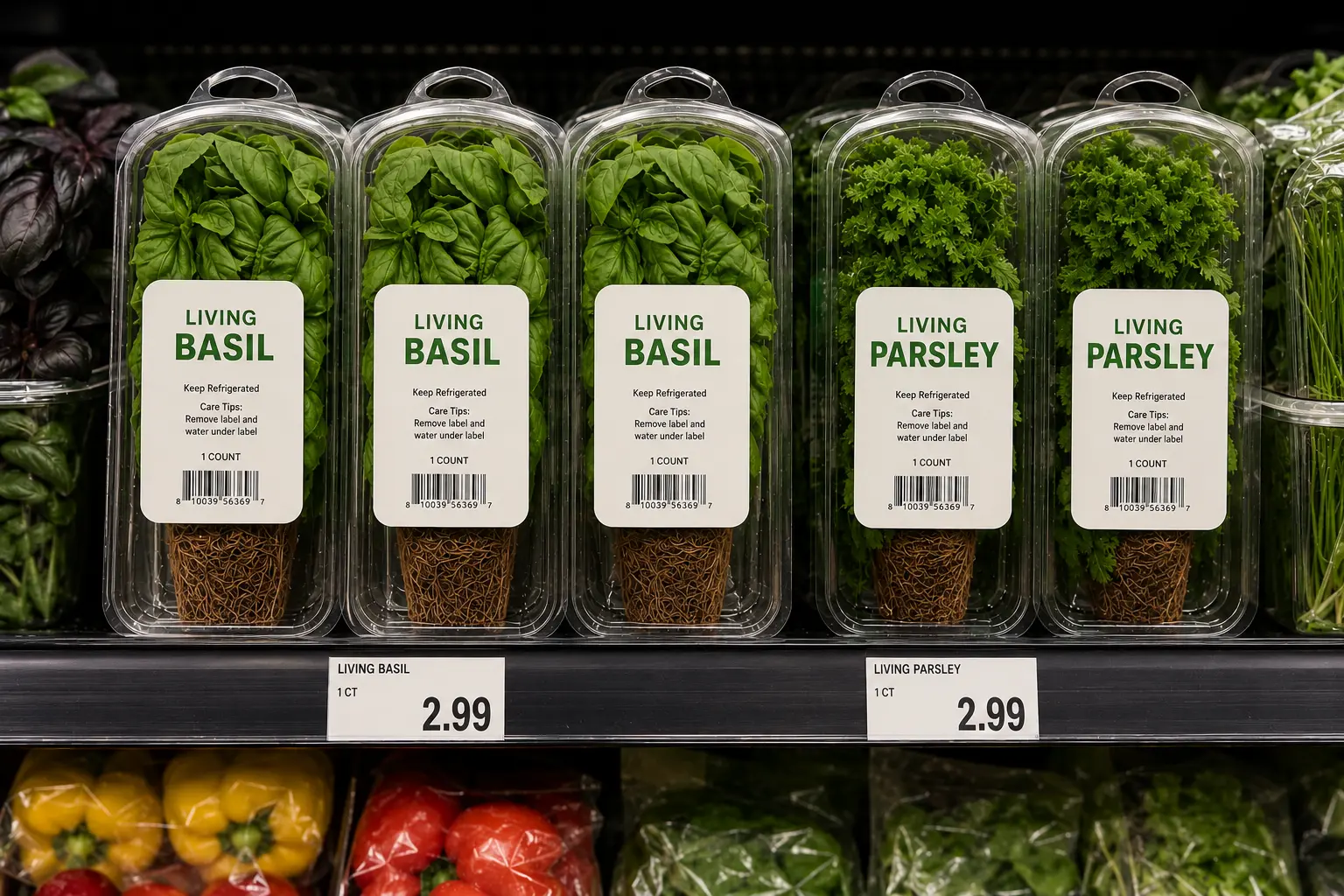
Heavy metals are often found in field soils, but, even in tightly controlled greenhouses and vertical farms, these elements can enter the growing space. They do so through substrate materials (coco coir, perlite, and peat), irrigation water, and recycled inputs. Because CEA systems are enclosed, inputs can…

Many edible and medicinal crops are regulated for heavy metal contaminants such as arsenic (As), cadmium (Cd), lead (Pb) and mercury (Hg) because those contaminants pose a serious threat to human health. Crops like cannabis or certain brassica species are known to hyperaccumulate heavy metals within various plant tissues,…
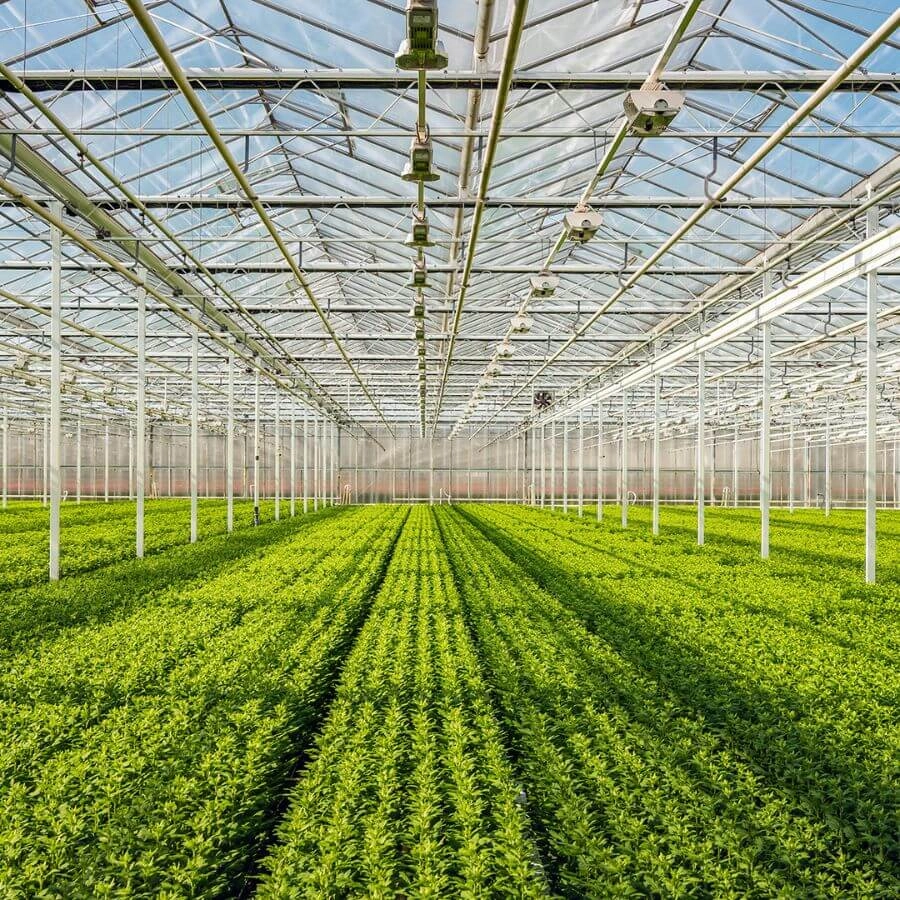
As the world population grows, food demand grows alongside it. According to a report from Global Market Insights, the controlled environment agriculture (CEA) market will reach $168.7 billion in value by 2032. These numbers indicate that growing indoors will gain more traction over the next decade.
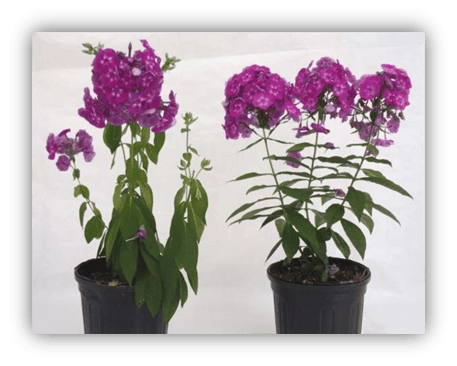
Silicon can help keep plants in their greenhouse glory by reducing drought stress, supporting root health and extending time to wilt.
Showing 1-12 of 20 results