

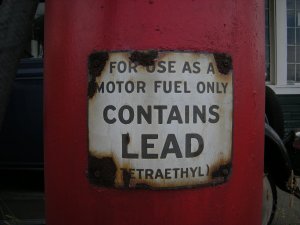
Many edible and medicinal crops are regulated for heavy metal contaminants such as arsenic (As), cadmium (Cd), lead (Pb) and mercury (Hg) because those contaminants pose a serious threat to human health. Crops like cannabis or certain brassica species are known to hyperaccumulate heavy metals within various plant tissues, which can worsen a contamination event when it occurs. Oftentimes, when these contaminants enter a growing system, the first question growers want to answer is where the contaminants came from.
Heavy metals can come from a variety of sources, such as fertilizers, organic amendments and manures, irrigation water, pesticides, growing media or field soils, and atmospheric deposition from anthropogenic activity. In this first article of our two-part Heavy Metals in Horticulture series, we will review potential sources of contamination and the associated risk of each.
Fertilizers
Mineral fertilizers, particularly phosphate-based products, can be a primary source of heavy metal contamination. Certain heavy metals, like cadmium, are naturally occurring in phosphate rocks and may be transferred into the final fertilizer product during manufacturing. Some research suggests that this can be further exacerbated when phosphate ions act as a carrier of Cd, thereby enhancing plant uptake. Arsenic may also be found in mineral fertilizers because it is often a minor component of the sedimentary rocks used for phosphorus extraction. Contaminated fertilizers pose a unique threat to growers because these products are formulated to be readily soluble so that nutrients are easily absorbed by the plant. As a result, heavy metal contaminants may inadvertently become soluble, as well, which ultimately increases the likelihood of plant uptake and contamination. Luckily, heavy metal concentrations within commercially produced synthetic fertilizers are highly regulated, so choosing a reputable manufacturer will minimize the chance of heavy metal contamination.
![Heavy metal uptake graphs (bioassay) [Meekins et al, 2025]](https://www.sungro.com/wp-content/uploads/heavy-metal-uptake-graphs-bioassay-Meekins-et-al-2025-1.jpg)
When compared to synthetic fertilizers, heavy metals in manure are generally less immediately available, but can become increasingly more available over time as mineralization and decomposition occurs. Even when heavy metal concentrations in a fertilizer are low, metals can build up and accumulate in the root zone with repeated applications and significantly elevate the risk of contamination.
Irrigation Water
Irrigation water is another common source of heavy metal contamination. Lead can often be found in water because of old and corroded infrastructure such as lead pipes or lead-based solder used to join pipes. Brass components can also pose a potential threat because they sometimes contain small amounts of lead to make them more malleable. Like most micronutrient metals, heavy metals become more soluble as pH decreases, so leaching from lead pipes or brass fittings can be intensified if the pH of your irrigation water is low.
Other types of heavy metals can also be found in contaminated well or pond water, particularly in areas near industrial effluent or a high volume of agricultural runoff. Reclaimed or recycled water can also contain higher concentrations of heavy metals, especially as they accumulate over time. Unlike soil and soilless substrates, where metals might be locked up in complexes with other minerals, metals in irrigation water are often dissolved and in plant-available forms, thereby increasing the risk of direct uptake. Much like fertilizers, even if metal concentrations in water are low, repeated irrigation can cause build up in the root zone. In the case of overhead irrigation, metals can also be applied directly to the foliar and floral tissues, further elevating the chance of heavy metal contamination.
Field Soil, Soilless Substrates and Anthropogenic Activity
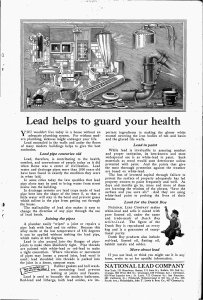
Heavy metals are naturally occurring elements that can be found in field soils. These metals are much less mobile in field soils and soilless substrates than in water, in part because of soil chemistry dynamics related to adsorption and metal complexation, thereby reducing the risk of plant uptake.
Cadmium tends to be the most mobile of the four heavy metals because it does not bind strongly to soil particles like clay or organic matter, and it stays readily dissolved in the soil solution where it can easily be absorbed by plants. Arsenic is unique in that its mobility is highly dependent on how saturated the soil is. When soil conditions are saturated and anaerobic, arsenic converts to arsenite, which is highly mobile and toxic. Mercury and lead are generally considered less mobile than cadmium and arsenic. Mercury has a high affinity for organic matter and will lock onto components like peat very tightly and stay put, whereas lead is highly insoluble causing it to precipitate out of solution at pH ranges where plants typically thrive.
Given this information, it is important to note that even if metal concentrations in a substrate are high, the risk of contamination may be lower than other inputs because of the substrate’s ability to “lock up” certain metals via adsorption and complexation, and because substrates are not continuously applied over the course of a crop cycle.
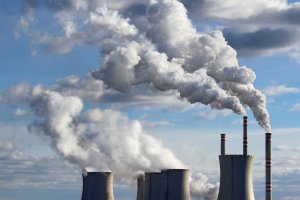
The predominant driver of contaminated field soils and soilless substrates tends to be anthropogenic activity (caused by humans), particularly the historical use of heavy metal-containing chemicals and pesticides. Factory discharges from burning fossil fuels or dumping of waste materials, mining and urban runoff are all examples of anthropogenic activity that can contribute to elevated heavy metal levels in the soil. In instances where production systems are in close proximity to centers of anthropogenic activity, such as busy roadways or manufacturing facilities, direct deposition of metal-laden particulates onto plant surfaces can also occur.
Before the 1970s, many agricultural chemicals contained components lilead, mercury and arsenic. Lead arsenate was widely used as an insecticide, and methylmercury was commonly used as a seed treatment to prevent rot and fungal disease. Despite the fact that these products have been banned for many decades, the impact is still felt today. Many old orchards and cotton fields still contain high levels of heavy metals to this day, as a direct result of agricultural chemical usage.
Conclusion
The main sources of heavy metal contamination are:
- Phosphorus-based synthetic fertilizers
- Organic fertilizers derived from manure or waste products
- Corroded irrigation
- Agricultural runoff
- Direct deposition from industrial processes
Inputs that contain forms of heavy metals that are more plant available, require repeated applications or require application directly to foliar tissues tend to have a higher risk of crop contamination, even if concentrations are relatively low. Other inputs such as field soil or soilless substrates may still contribute to crop contamination but, in general, contain forms of heavy metals that are less plant available. Regardless, heavy metal contamination can come from a wide variety of sources, so it is critical that growers screen their inputs prior to usage to exclude these contaminants from the production environment.
Stay tuned for Part 2, where we will discuss how to measure heavy metals and how to mitigate/remediate them from your growing system.

Grower Specialist, Southeastern US